
Which gear will actually make you move? 10 smart buys to build a home gym — no hulking racks required.
No more gym excuses. You can get a full, effective workout without leaving your living room. Small gear, big results.
Top Picks
Overview and intended use
These loop resistance bands are a compact, low-cost way to add resistance to bodyweight moves, mobility work, and rehab protocols. Because they’re available in five color-coded tensions, you can mix and match bands to fine-tune the load for legs, arms, glutes, and core.
Highlights and what you’ll notice
You can use the lightest bands for activation, warm-ups, and mobility, while the heavier loops are effective for glute bridges, lateral walks, and assisted pull-up progressions. Physical therapists often favor similar bands because they’re predictable and easy to scale.
Practical tips and limitations
To avoid pinching and rolling, keep bands flat and reposition deliberately — some users note bands can roll when moved. If you’re a very strong lifter, these bands will still be useful for accessory work and travel, but you may want to add specialty heavy-resistance bands or anchored systems for maximal-strength training.
Who should consider this bike
If you want a quiet, compact piece of cardio equipment for daily rides, commuting-less cardio, or rehabilitation, a foldable magnetic bike gives you the basics without monopolizing a room. This model’s 16 resistance levels let you progress from warm-ups to harder sessions.
Features that matter
Practical users praise the mostly silent experience and simple adjustments. If you’re replacing long outdoor rides or need a reliable at-home cardio option that won’t upset roommates, this bike is a sensible pick. The near-silent operation makes it easy to ride during calls or while watching shows without bothering others.
Comfort and maintenance notes
Many buyers swap the stock saddle for a padded upgrade for longer rides, and pedal straps can be tightened for stability. Keep the bike on a flat surface and periodically check bolts and tension knobs to preserve a smooth ride.
What it is and who it’s for
If you want full-body strength training but lack space for multiple fixed dumbbells, this adjustable pair compresses many plates into two compact units. Each dumbbell adjusts across 15 weight settings up to 52.5 lb, giving you progressive resistance for everything from high-rep toning to heavier compound lifts.
Key features and benefits
You’ll appreciate how much floor space you save — replace a shelf of hex dumbbells with a single pair and a small base. The quick dial system helps you move between supersets or circuit stations without lengthy plate swaps.
Practical considerations and limitations
The mechanism and nylon base are convenient and often reliable, but they feel different from cast-iron fixed dumbbells. If you frequently drop weights, choose reinforced designs or add protective mats — adjustable units are best treated a bit more gently. Also, while the 52.5 lb top weight suits most intermediate users, lifters who need much heavier single-dumbbell loads will eventually want heavier fixed bells or a higher-capacity adjustable model.
Why choose a doorway bar
If you want to build upper-body pulling strength without drilling into studs or buying a full rig, a well-made doorway pull-up bar is one of the highest-impact, lowest-cost additions to your home routine. This model emphasizes sturdiness and protective contact with the frame to reduce surface damage.
Noteworthy features
Many reviewers highlight fast installation and daily, durable use for chin-ups, hanging core work, and band-assisted reps. It’s also portable enough to bring on trips and hide away when not in use. The multi-grip layout encourages grip variety, which helps reduce shoulder imbalance and increase overall back development.
Practical tips and cautions
If your door trim is unconventional or you expect heavy daily loads, measure before purchasing and test carefully after setup. A small amount of flex is normal on longer clearances; if it bothers you, consider a mounted rig or reinforced doorway solution.
What it does
A reliable foam roller is one of the easiest recovery tools you can add to a home gym — it helps flush out lactic acid, ease muscle tightness, and assist mobility work. This high-density roller is firmer than soft models, which makes it better suited for experienced users or those who need deep pressure.
Features and practical benefits
Users frequently report faster warm-up and recovery times after just a few minutes on the roller: targeted rolling across the quads, IT bands (careful), and calves often improves squat depth and reduces stiffness. That said, the firmness can feel intense at first, so ease into sessions for the best results.
Safety notes and tips
Avoid rolling directly over joints or injured areas, and consult a professional if you have spinal issues or severe pain. For beginners, start with brief sessions and supplement with softer tools until you adapt to the pressure.
Who should buy it
If your priorities are comfort for stretching, gentle yoga, or rehab work — and you want something that’s easy to clean and carry — this extra-thick Amazon Basics mat is a practical pick. The 1/2″ foam softens pressure points for people who dislike firm mats.
Notable features
Because the mat uses NBR foam, it maintains shape well after rolling and won’t sag too quickly under normal home use. It also wipes clean easily, which is convenient if you use it for sweaty circuits or as a protective layer for floor-based strength moves.
Limitations and usage tips
If you practice hot yoga or tend to sweat a lot, you may notice less grip than natural rubber or tackier studio mats provide — a towel or mat spray can help. For durability, avoid leaving the mat in direct sun for extended periods and roll it loosely when storing to preserve cushioning.
Purpose and fit
If your home gym is small, keeping dumbbells organized and off the floor reduces clutter and trip hazards. The A-frame design stacks pairs vertically, which is efficient for light-to-moderate collections (typical 5–25 lb pairs) and keeps commonly used weights within easy reach.
Build and functionality
The rack is straightforward — it doesn’t have the heft or capacity of commercial racks, but it’s perfect for entry-level collections. Assembly is simple and the finished unit looks tidy in a corner or dedicated workout space.
Practical reminders
Before buying, measure your dumbbell heads and compare with the rack spacing — some thicker pairs or odd combinations may not fit neatly. If you plan to grow a heavy collection beyond 200 lb, consider a more robust horizontal rack or additional storage solutions.
Small footprint, meaningful features
If you live in a limited space but want an effective way to walk, jog, and add incline training, this model strikes a reasonable compromise. The 12% manual incline increases intensity without relying solely on speed, and the 3.0 HP motor supports steady walking and light running while remaining quiet.
What you’ll find useful
Owners appreciate the quiet motor — many report you can walk or jog while someone else watches TV without disturbance. The incline feature is particularly handy for replicating hill workouts and increasing calorie burn in short sessions.
Assembly and real-world limitations
The treadmill is not designed for instant fold-and-store every session; you’ll need to remove screws to lower it fully, which is better suited to semi-permanent placement rather than daily tucking under a bed. For heavy runners or those seeking advanced programming and cushioning, a full-size machine still offers more stability and features.
Who it fits
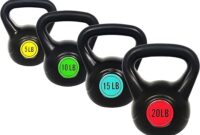
This set targets beginners and home exercisers who want to add kettlebell swings, goblet squats, and conditioning circuits without the noise or cold feel of iron. The vinyl-coated shells reduce the chance of chafing or paint damage in small spaces.
Main attributes
Owners like the larger shape because it’s easier to grip for two-handed moves and feels softer when it makes light contact with your forearms. That said, vinyl kettlebells tend to be bulkier at the same weight compared with cast iron, which can change swing mechanics slightly.
Practical limitations
If you plan to progress into heavy ballistic work, you’ll eventually prefer cast-iron models for compact size and more predictable swing dynamics. Inspect packaging at delivery; some buyers noted minor damage or labels shifting — nothing that affects function but worth checking.
Who benefits most
Speed ropes are a staple for conditioning, boxing-style training, and efficient calorie-burning sessions. If you want to boost coordination, footwork, and short burst cardio in very short time windows, a tangle-free steel cable rope is hard to beat.
Key features to expect
Because the rope is adjustable, you can trim it to your height to get an optimal arc and reduce dragging. The steel cable design is ideal for speed work and double-unders, but keep in mind it’s best used on smooth surfaces and worn with athletic shoes — hitting rough concrete repeatedly will wear the PVC coating faster.
Usage tips and safety
Start with short sets and focus on form: land softly, keep elbows tucked, and use wrists rather than shoulders. When practicing indoors, protect floors by skipping on a mat or using a softer surface to reduce wear on the cable and noise.
Final Thoughts
Pick the Fit Simplify 5-Level Resistance Bands if you want the most versatile, low-cost starter that actually goes everywhere with you. They cover a wide range of resistances for strength, mobility, and rehab work, and they’re perfect if you travel, have limited space, or need a gentle progression plan.
If your goal is real strength gains and you have a little room, choose the Adjustable 52.5 lb Dumbbell Pair. They give you quick load changes and the equivalent of multiple dumbbells in one compact set — ideal for progressive overload, full-body routines, and replacing a small rack in a tight space.

About that 12% incline treadmill — I like the compact idea but I’m clumsy and worried about balance at incline. Can you safely do light jogging on that walking pad or is it basically for walking only? Also, anyone tried the 3.0HP motor for sustained runs? ty!
If you set it to max incline right away you might feel unstable — ramp up speed/incline gradually. Also check the belt length; shorter belts are harder to run on.
Most of these compact incline treadmills are best for walking and light jogging. The incline helps with intensity, but they’re not built for heavy running or high-impact sprints. The 3.0HP motor handles intermittent jogging for many users, but for daily running or higher speeds, a full-size treadmill is safer and more durable.
I jogged on a similar model — fine for 20–30 min intervals at moderate pace. If you’re clumsy, the handrail helps a lot, and wearing supportive shoes reduces slip risk.
Amazon Basics foam roller + the 1/2 inch extra thick mat = my recovery dream combo 😍
I use the roller after runs and the mat for mobility drills. The foam roller is firm enough to hit the glutes and hamstrings, and the mat actually feels like it saves my knees during lunges. Super affordable too, which is huge for a budget setup.
Minor nit: the mat picks up lint easily (ugh), but a quick wipe cleans it.
Thanks for the tip — I’ve been debating a mat and worried the budget ones would be too thin. Sounds like this one’s a good balance of cushion and price.
Totally — those two are staples for a home routine. For lint, a damp microfiber cloth usually does the trick. Glad they’re working well for you!
I’m really interested in the adjustable dumbbells (52.5 lb pair up to 105 lb total). I’ve read decent things about the rotate-to-adjust mechanism but worried about long-term durability — do they loosen or jam after a year of heavy use?
Anyone using these for compound lifts (rows, lunges) on a daily basis? I need something that won’t fail mid-set.
If you’re doing Olympic-style drops, these aren’t made for that. But for controlled lifts, they’re fine. Also check return policy — good seller support helps if something goes wrong.
I’ve had a set for about 9 months and do rows, presses, and lunges almost every other day. No jams yet, but I avoid dropping them and I keep the plates and locking parts clean. Treat them gently and they’ll probably last a while.
Adjustable dumbbells can be great for space-saving. The rotating mechanisms on this model are generally reliable, but heavy users sometimes report wear on the adjustment collars over many months. If you plan daily heavy lifting, a set with a proven locking system or a hex-dumbbell collection might be more robust long-term.
I had the 52.5 pair and had to replace the plastic adjustment piece after a year — still cheaper than buying many fixed dumbbells though.
Storage is such an underrated part of home gyms. Between the adjustable dumbbells, the foldable bike, and the A-frame rack, I’m trying to plan a setup that doesn’t feel like a garage sale.
Long post incoming — sorry lol:
– I bought the adjustable dumbbells to replace a messy set of fixed plates and it cleared a ton of space.
– The A-frame rack is great for light dumbbells but I ended up putting my heavier stuff on the floor beside it because of balance.
– The foldable bike tucks under my bed when not in use and that’s been a game-changer.
Anyone have tips for vertical storage for a couple of kettlebells without buying a full rack?
I bought a cheap shoe rack and repurposed it for kettlebells — looks weird but works 😂
Nice detailed breakdown — thanks! For a couple of kettlebells, a small triangular shelf or stack of yoga blocks on a sturdy corner shelf works. You can also use a wooden crate lined with mat to keep them contained and off the floor.
You can also mount a heavy-duty wall bracket (rated for weight) and hang them by handle if aesthetics are your thing. Just ensure wall can take the load.
I used a short bookcase shelf (sturdy) and put rubber shelf liner under the bells. Keeps them neat and accessible.
I appreciated the roundup — good balance between budget and performance options. Quick question: if you were building a minimal home gym for general fitness on a $400 budget, what would you pick from this list? I’m leaning toward bands + adjustable dumbbells + mat, but worried that the dumbbells blow the budget.
Bands + mat + jump rope is a great starter trio for under $100. If you can stretch to $400, add the adjustable dumbbells — they’re the most versatile for strength. The foldable bike or a kettlebell set are nice extras if you prefer more cardio or ballistic work.
If you do a lot of rehab or mobility work, invest early in a good foam roller and the mat — it makes other workouts more comfortable and sustainable.
Yep, start with bands and mat, then add one heavy adjustable dumbbell (or the 52.5 pair used) later. You can do a lot with bands and bodyweight while you save for the dumbbells.
That foldable exercise bike sounds perfect for my tiny apartment. Quiet magnetic resistance + foldable = sold.
Now, if only it could also do my laundry and make coffee… 😂
Haha — I hear you. It’s one of the better space-savers for steady cardio. If you plan to do longer rides, check seat comfort and pedal straps; many users upgrade the seat or use clip-in pedals.
I’ve had a similar compact bike — totally quiet but the seat killed me after 20 mins. Consider a gel seat cover or padded shorts if you’ll do 30+ minute sessions.
Loved the bit on the Fit Simplify resistance bands — I travel a lot and the idea of a set that covers different strengths is tempting. Quick question: anyone with latex allergy experience using these? The review mentions latex but doesn’t say how irritating they are.
Also, do the instruction guides include routines for rehab vs strength? I’m doing physio for a shoulder impingement and want to avoid anything too aggressive.
Great question — the Fit Simplify bands are latex and some users with mild sensitivities can still use them, but if you have a true latex allergy you should avoid them. The included guide tends to focus on beginner mobility and rehab-friendly exercises, but for a specific shoulder program it’s safest to check with your physical therapist first.
I used these after an ankle sprain — no rash for me, but I’m not allergic. The guide definitely has light resistance rehab moves. If you’re worried, there are non-latex options (fabric bands) but they aren’t as compact.
If you want, I can add a short note in the article suggesting non-latex alternatives and link to a few options. Would that be helpful?
I’m tempted to get the OLIXIS kettlebell set and the CAP Barbell A-Frame rack for storage. Has anyone used the vinyl finish on the kettlebells long-term? Do they scuff or crack if you drop them occasionally on a mat?
If you plan to progress to heavier weights, consider a metal rack — the A-frame is fine but doesn’t hold heavy, awkward-shaped bells as well as flat shelves.
Vinyl kettlebells are great for protecting floors and reducing noise. The vinyl can scuff but usually doesn’t crack unless dropped repeatedly on a hard surface. If you expect heavy swings and drops, cast iron or competition kettlebells are more durable.
I have the OLIXIS set for a year — scuffs only where they hit the floor; no cracking. I wouldn’t do hard drops, though. The CAP A-frame rack is sturdy for light-to-moderate weights and looks neat.
I use vinyl bells and they survive my home sessions. Put down a thicker mat and you’ll be fine. Also, check dimensions of the A-frame — it’s compact but not huge.
One more note: for heavy traffic or frequent dropping, a rubber-coated kettlebell or adding a few thick rubber mats underneath will extend the vinyl’s life.
Has anyone installed the Ally Peaks pull-up bar and noticed marks on the doorframe even with the silicone protection? I have fairly old trim and I’m nervous about denting it. Also curious about whether it fits wider frames or is best for standard doors only.
I installed one last year — no visible marks on my painted trim, but I added a thin foam pad under the silicone just in case. It fits most standard doors, but not extra-wide frames without adapters.
The silicone guards help a lot, but with very soft wood you might still get minor impressions. The design is made for standard frames; measure your doorway thickness and width before buying. If damage is a top concern, a no-screw-mounted bar that distributes weight across the frame or a freestanding option could be safer.
Jump rope + bands = my favorite HIIT combo. Cheap, effective, and you can do it in the living room (if you don’t live with toddlers who steal your rope 😂). The tangle-free cable actually spins super smooth if you adjust length properly.
Agreed — a speed rope and bands cover a lot of training territory. For the rope length: step on the cable and pull handles up to chest height as a quick length check.
Lol toddlers are the reason I buy duplicates of everything. Also who else uses jump rope as a warm-up before kettlebell swings?