
Why Choosing the Right Strength Book Matters
Want faster gains and fewer setbacks? You don’t need another conflicting opinion — you need a strength-training book that matches your goals, experience, and learning style. The right book speeds progress, reduces injury risk, and saves you time.
This short guide helps you choose with confidence. Use it to identify what matters, evaluate authors and evidence, preview options, and turn reading into real progress. Stop guessing and pick a book that works for you. You’ll save months of trial and error by choosing wisely up front. This guide keeps advice practical, evidence-minded, and focused on results for busy people everywhere.
Pinpoint Your Goals and Training Context
Start with a quick self‑audit
Before you browse titles, answer five simple questions aloud or jot them down:
Example: Sarah, a 34‑year‑old with 30–45 minute evenings and an adjustable dumbbell set, will get nowhere with a barbell‑only 5×5 book. She needs a program built around dumbbells and shorter sessions.
Translate goals into the book features you should prioritize
Match your answers to the book attributes below — choose books that lean heavily toward the features most relevant to your goal.
A short practical checklist
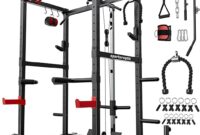
Scan a sample week: does session length match your availability? Are exercises usable with your kit (e.g., Rogue R-3 rack vs. home dumbbells)? Does the author offer regressions and progressions? If yes, the book is worth a deeper look.
Move on to the next step when your audit yields a clear “must‑have” list for book features.
Understand the Main Types of Strength-Training Books
Strength books aren’t one-size-fits-all. Each category solves different problems; knowing which one addresses your specific need saves time and frustration. Below are the common types, what they help you achieve, and the typical trade-offs.
Programming and periodization manuals
These dig into how to structure training over weeks, months or years. They’re ideal if you want a clear roadmap to peak strength or hypertrophy (think multi-cycle plans and loading schemes). Strength: objective progression templates. Limitation: can be technical and assume you already know basic lifts (good for intermediate/advanced lifters or coaches).
Technique and coaching guides
Focused on movement quality — cues, photos, fault corrections, and coaching progressions. If you’re stuck on squat depth, deadlift form, or fixing a unilateral imbalance, this is where you’ll find practical fixes. Strength: immediate, actionable cues. Limitation: less programming detail.
Bodyweight and minimalist training
Perfect for limited-equipment or travel. These books show regressions and progressions for progressive overload using minimal kit. Strength: convenience and consistency (great for busy people). Limitation: hard to scale for elite max strength without creative loading.
Rehabilitation and mobility resources
Target pain reduction, injury return-to-play, and long-term movement resilience. Look for protocols, loading timelines, and objective tests.
Choose this type if you’re rehabbing or chronically tight — but pair it with a strength plan so mobility work transfers to heavier loads.
Nutrition and recovery companions
Covers calories, macros, sleep, and periodized fueling. They make training stick by optimizing recovery. Strength: directly improves results; Limitation: can be generic — prioritize books that cite evidence or give simple templates.
Mindset and habit-focused volumes
These teach consistency, habit formation, and adherence strategies. They won’t give you sets and reps, but they’ll help you actually follow the program.
Pick the category that fixes your current roadblock. If you can’t choose, start with a hybrid (technique + programming) and supplement with a nutrition or rehab companion, depending on your weakest link.
Evaluate Author Credibility and Evidence
When you pick up a strength book, the author’s background and the way they use evidence tells you more than a flashy cover or celebrity endorsement. You want someone who has coached real people, understands physiology, and can back recommendations with transparent data or clear case examples.
Credentials that actually matter
Look for concrete, relevant experience — not just internet fame. Useful credentials and experiences include:
A former college S&C coach who published training logs and athlete outcomes is more informative than an influencer who posts workouts but hasn’t tracked progress.
How to judge the evidence
Good books reference studies, explain limitations, and separate anecdote from protocol. Quick checks you can do:
Red flags: hype and unsupported claims
Be cautious if a book promises dramatic, universal results (e.g., “double your squat in 30 days”), uses lots of testimonials instead of data, or pushes a single “secret” method that contradicts basic principles like progressive overload.
Quick credibility checklist
Match Book Style to Your Learning Preferences
Identify how you actually learn
Do you need a clear, numbered workout you can follow Monday–Friday, or do you prefer understanding the “why” so you can adapt on the fly? Think back: when you learned a skill (cooking, navigating a new app), what helped most — step-by-step instructions, diagrams, quick checklists, or a deep explanation that connected the dots? That pattern maps directly to the book style that will stick for you.
Features to prioritize based on style
If you’re practical and busy, look for:
If you learn visually, favor:
If you’re conceptual, choose:
Practical coach-oriented vs dense academic
Practical coach-oriented guides give fast takeaways: templates, troubleshooting, and client stories. They’re ideal if you want to apply something immediately (think following a 12-week block and tracking numbers). Dense academic texts give depth — helpful if you enjoy reading papers or want to design programs from first principles — but they require time and willingness to translate theory into practice.
Quick how-to pick on sight
Scan the table of contents and a random chapter:
Pick what you’ll use consistently. Next, you’ll preview and test books quickly to make sure your choice really fits before buying or committing to a full program.
Preview and Test Books Before Committing
You don’t have to buy every promising title. Before you spend money or mental energy, run a quick, focused preview routine so the book you pick actually fits your life and goals.
1) Scan the table of contents for structure
Open the TOC and ask: does it give a clear roadmap (program blocks, progression, troubleshooting), or is it a string of essays? A usable strength book usually has reproducible phases, timelines, and a clear flow from warm-up to progression.
2) Read a program sample to check realism
Jump to a sample program or a week’s workouts. Are the sets, reps, and equipment realistic for your schedule and access? If a “novice” program expects 2-hour gym sessions five times a week, it’s not realistic for most people.
3) Inspect technique explanation quality
Flip to an exercise chapter. Good signs: step-by-step cues, photos or diagrams from multiple angles, common error notes, and regression/progression options. Poor signs: single blurry photo and a paragraph of jargon.
4) Look for progress markers and safety guidance
Check if the author explains how to track progress (logs, metrics, test days) and includes safety advice: deloads, spotting alternatives, mobility cues, red-flag warnings. A plan without progress markers is a guessing game.
5) Read reader feedback with a critical eye
Skim reviews for recurring themes: “unrealistic time,” “great for busy people,” “poor technique photos.” Give extra weight to reviews from readers who describe their experience (beginner, coach, time constraints). Beware of a flood of one-line praise — they tell you little.
Use libraries, previews, and short-term access
Save money by using Kindle/Google previews, library apps (Libby, Hoopla), interlibrary loan, or borrowing from a friend or coach. Renting or sampling a chapter buys you the clarity to commit — and often prevents an expensive, unused shelf-guilt purchase.
Turn What You Read into Real Progress
Picking the right book is only the beginning — you have to try it, measure it, and tweak it until it fits your life. The plan below helps you pilot a program for 6–12 weeks, adapt to your gear and abilities, and combine ideas without chaos.
Run a focused 6–12 week pilot
Adapt to your equipment and abilities
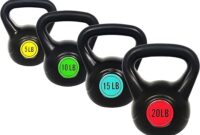
If the book prescribes a barbell but you have adjustable dumbbells (Bowflex SelectTech 552) or a single kettlebell (Kettlebell Kings 16kg), keep the movement pattern and progression logic:
Combine material without getting overwhelmed
Make one program your core. Borrow 1–2 accessory templates (e.g., conditioning from Book A, tempo work from Book B), but keep progression rules consistent. Limit changes to scheduled deloads or every 4–8 weeks.
Quick troubleshooting
Stick / Modify / Move-on checklist
With data and simple rules, you turn reading into real gains — next, use that momentum to choose your long-term path.
Make a Confident Choice and Start Training
You now have a clear framework to stop guessing and pick a strength‑training book that fits your life and goals. Use your self‑audit to narrow priorities, lean on the category guide to target the right approach, apply the credibility checklist to avoid hype, and run the preview routine before you buy. Those steps turn options into one practical shortlist.
Commit to a short trial period, track your progress, and be willing to adjust or switch if the book doesn’t translate to results. With the right match, a book becomes a usable roadmap instead of shelf filler. Pick one from your shortlist this week and start the first week of focused training with feedback.

This article hit the nail on the head. I wasted months buying random strength books until I started matching books to my goals. Practical Programming for Strength Training Guide was the game-changer for my squat programming, and the A5 Workout Journal actually kept me consistent. Tip for others: preview sample chapters and check if the book has templates you can actually follow.
Same — Practical Programming helped me structure my lifts. The journal is underrated. I print a weekly template and fill it by hand 🖊️
Thanks for sharing, Liam — really useful to hear which resources worked in practice. Do you mind saying which edition of Practical Programming you used?
Agree about previewing. Amazon previews saved me from buying something too theoretical for my needs.
Loved the practical tips on turning reading into progress. Two suggestions from my experience:
1) Combine Practical Programming for Strength Training Guide with an A5 Workout Journal: plan then log — accountability is underrated.
2) If you learn by doing, pick ‘No Gym Required’ or the kettlebell book before anything too theoretical.
Also, check author credentials — the article’s Evaluate Author Credibility section is crucial.
Does anyone have a template for the A5 Workout Journal? I never know what to put in the notes section.
Great actionable combo, Emily. The journal + program pairing is something we should emphasize more — thanks!
If there’s interest, I’ll share a basic A5 journal template in a follow-up post.
Agree. I planned my deadlift cycle in Practical Programming and tracked micro-progress in the A5 Journal — small wins kept me going.
Maya — I keep sections for RPE, mobility notes, and things to tweak next session. Simple works best.
I’m cautious about books that promise quick fixes. The ‘Evaluate Author Credibility and Evidence’ section is the most important. Who cares if a book is pretty if it’s not backed by data or experience?
Has anyone compared Practical Programming’s evidence base to the Rehab Science book? Looking for a balanced approach between performance and safety.
I paired Practical Programming for structure and Rehab Science for injury prevention — worked well in my cycle.
Look at references and whether authors are practitioners vs researchers. Both perspectives have value; it’s about matching to your current needs.
Valid concern, Jacob. Practical Programming cites practical coaching experience and some established strength concepts, while Rehab Science tends to focus more on clinical evidence and protocols. For a balanced approach, many readers pair a programming book with a rehab/mobility resource.
Short and sweet: No Gym Required is my go-to when I’m lazy. Kettlebell circuits = brutal but efficient. The article’s advice to preview and test books saved me from buying two duds.
Nice — glad the preview tip helped. Any favorite kettlebell exercises you recommend for newcomers?
Yep — swings, goblets, and Turkish get-ups once you feel confident. Don’t rush the get-up!
Start with swings and goblet squats. Focus on hip hinge and breathing.
Honestly, I skimmed the ‘Follow the Author for Updates and Releases’ line and realized I’ve bought 3 books from the same author without knowing they were part of a series. Lesson learned: follow the author before you buy the sequel 😂 Preview the TOC too.
Ha — that happens more than you’d think. Following authors can also alert you to revised editions or companion work that fills gaps.
Yep, authors sometimes release updated versions that fix earlier mistakes. Worth waiting for an update if the timing lines up.
Quick rant: buying books without checking the author credibility is like signing up for a gym membership and never reading the cancellation policy. 😂
Also, the A5 Workout Journal is the unsung hero here — if you don’t track, you can’t prove progress.
Oliver, preach. Cancel that gym membership AND read the FAQ 😂
Exactly. Also: sample chapters = your new best friend.
Love the analogy. Tracking really does separate hopefuls from consistent lifters.
Journal + consistency > every flashy one-week program I’ve tried.
Curious about the Rehab Science book — has anyone used it to come back from an injury? The article’s section on evaluating evidence pushed me to consider that over generic rehab tips on forums.
Good question, Hannah. A few readers reported that Rehab Science: Heal Injuries and Reduce Pain had clear protocols and referenced studies. It’s still wise to combine any book recommendations with a clinician’s opinion for serious injuries.
I used it after a minor knee strain — the mobility progressions helped. Not a miracle but better than random internet advice.
Nice article, but a couple of thoughts:
– I wish there were more examples of how to ‘preview and test’ books beyond Amazon previews — like checklists for what to look for.
– Women’s Strength Training Anatomy helped me a lot, but the Practical Programming guide felt dense. Maybe recommend beginner-friendly alternatives too.
Typo spotted in the last paragraph btw (small thing).
If Practical Programming is dense, try looking for summary guides or forums that break it down. The book is solid but not conversational.
Great feedback, Maya — we’ll add a short checklist for previews in the next update (e.g., TOC clarity, sample workouts, references). Thanks for flagging the typo too.
I appreciate the holistic angle — combining strength work with mental health support can make training sustainable.
For example:
– Read Women’s Strength Training Anatomy for form and injury prevention.
– Use Rehab Science when recovering from setbacks.
– Add small rituals (aromatherapy or breathing) to manage anxiety before heavy sets.
This article made me think about training beyond PRs, which is refreshing.
Exactly the kind of thoughtful integration we hoped people would take away. Rituals and small mental health practices can make a big difference.
Interesting combo — never thought about aromatherapy pre-lift but I can see it helping focus.
Okay, long post because this actually matters to me:
– I loved the section on matching book style to learning prefs. I’m a visual person so Women’s Strength Training Anatomy with Detailed Exercises was perfect — photos + anatomy helped me fix form.
– For cardio/conditioning days I use No Gym Required: One Kettlebell Full-Body Program. It’s legit if you travel.
– One tiny gripe: the aromatherapy mention felt out of left field but hey, mental health matters too. 🙂
Overall great checklist before buying!
Totally agree on the kettlebell book — no fancy gear, just sweat and results. Also, anatomy books saved me from rookie mistakes.
Thanks for the detailed note, Sofia — really helpful to know how you combine anatomy + practical programs. The aromatherapy inclusion is meant to highlight holistic support for some users, but your point is fair!
Aromatherapy actually helped my anxiety around big lifts, so not totally random. Use it between sets lol 😅
Sofia you’re speaking my language. Travel workouts + pictures = no excuses. Also, ty for not being preachy here.