
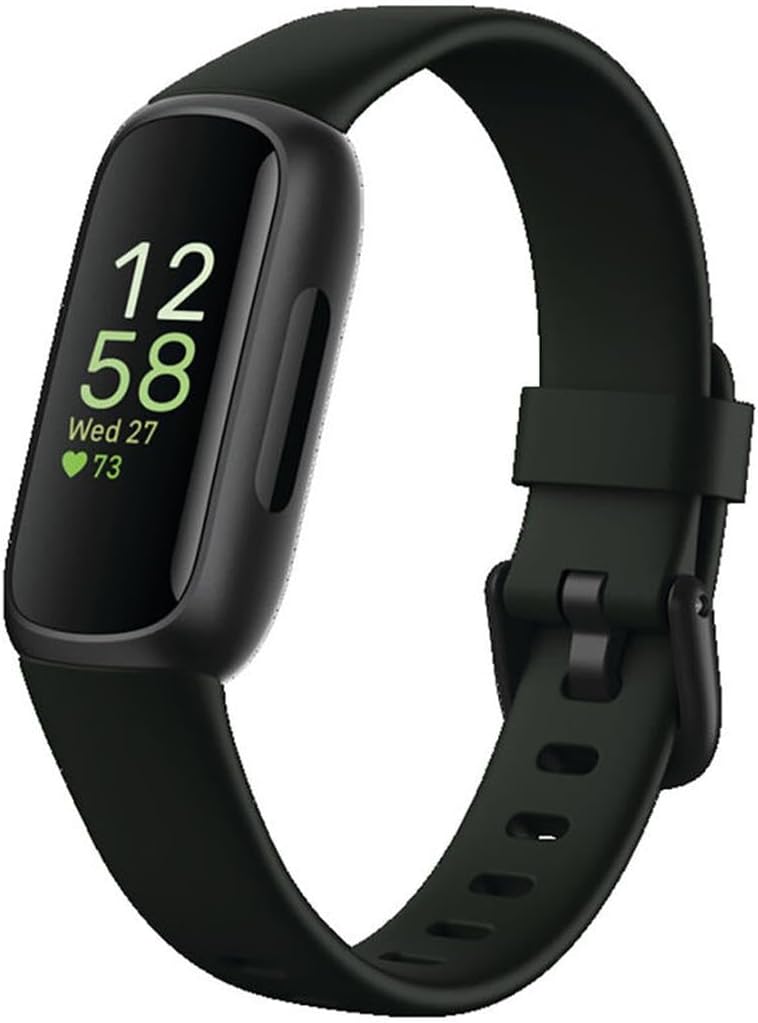
Welcome to Your Weight-Loss Playbook
Are you ready to stop chasing quick fixes and build lasting change? This playbook gives you clear, data-backed strategies that work in the real world. You’ll get simple priorities: set realistic goals, tweak nutrition without starving, move smart to preserve muscle, and use behavior and environment to make progress automatic.
Pick a few changes, track them, and iterate. Expect experiments, not perfection. I’ll help you spot common myths, measure what matters, and troubleshoot plateaus so your efforts compound. Use this as a practical map — small, consistent moves add up to real weight loss and better health. Start with tiny, consistent habits you can maintain; celebrate small wins, review your data weekly, and make modest adjustments that keep progress steady over months.


Set a Realistic Foundation: Goals, Mindset, and Metrics
Pick goals that fit your life
Start by answering: why do you want to change, and what would success look like in 3 months? Turn feelings into specifics: “Lose 8 lb in 12 weeks” or “move from 10 to 15 push-ups” are clear. Prefer process goals (eat protein at every meal, walk 30 minutes five days/week) because they’re in your control. Real-life example: instead of aiming to “get lean,” decide to swap two sugary drinks per week for water — a small win that compounds.
Track trends, not daily noise
Daily weight bounces 2–4 lb from water, food, and hormones. Use a consistent routine: weigh once weekly, first thing after waking, post-toilet, pre-breakfast. Focus on trend lines over 2–6 weeks.
Important metrics to follow:
Low-friction tracking tools
Pick tools you’ll actually use. A simple notebook beats an app you never open. If you like tech, try Cronometer for food, Strong or JEFIT for lifts, and a smart scale like the Withings Body+ (accurate cloud sync) or the budget-friendly Eufy Smart Scale C1. For clinical body-fat precision, consider an occasional DXA scan.
Short, consistent check-ins work: one weekly weigh-in, a monthly photo, and logging two key numbers (weight + a strength metric). That little routine creates a clear trend line without friction.
Cultivate a forgiving, growth mindset
Treat setbacks as data, not failure. If you miss a week of workouts, ask “what went wrong?” and adjust the system (shorter sessions, different schedule). Celebrate small wins — the habit you maintained is the real currency of long-term change.
Nutrition Strategies That Keep Weight Falling (Without Starvation)
How a sustainable deficit works
You don’t need extreme rules — aim for a modest deficit (about 300–500 kcal/day) so you lose steadily (~0.5–1 lb/week) while keeping energy for life. Think of food as fuel and satiety, not punishment: consistency beats intensity. Track trends (weekly) rather than daily swings.
Protein and fiber: your daily allies
Prioritize protein to protect muscle and fiber to stretch your stomach without many calories. Practical targets:
Use whey or lean protein to hit targets when life gets busy — a protein shake after a workout or as a quick breakfast can prevent afternoon overeating.
Portion estimation & high-volume, low-calorie swaps
When scales aren’t handy, use your hands:
Manage liquid calories and alcohol
Liquid calories add up: a latte, juice, or craft beer can equal a small meal. Swap to:
Structure meals for appetite control
Build every meal around: protein + vegetables (fiber) + a modest carb + a bit of fat. Example template:
Flexible approaches that stick
If strict plans make you rebel, use flexible rules — two “free” meals/week, plate method, or simple templates you can repeat. The best plan is one you can follow for months.
Next up: how to use movement to accelerate fat loss while protecting the muscle you’re preserving through nutrition.
Move Smart: Exercise That Accelerates Fat Loss and Preserves Muscle
Why strength training is non-negotiable
When you lose weight without strength work, a chunk of that loss can be muscle. Lift at least 2–4 times per week to signal your body to keep lean mass. Focus on compound moves (squats, deadlifts, rows, presses) because they give the biggest metabolic and functional return — think posterior-chain strength that makes everyday tasks easier.
If you train at home, choose tools that scale with progress: adjustable dumbbells (e.g., Bowflex SelectTech 552) or bands give surprisingly good resistance for most people.
Structure sessions for progressive overload
A simple template works:
Cardio: interval vs steady-state
Use both strategically:
NEAT: the underrated calorie engine
Your daily movement (walking, standing, chores) can double or triple weekly calorie burn compared to formal exercise. Aim for a baseline (7,000–10,000 steps/day) and add standing breaks, a walk after meals, or parking farther away.
Simple weekly plan examples
Next, learn how sleep, stress, and hormones quietly shape how effective these workouts and your nutrition really are.
Sleep, Stress, and Hormones: The Overlooked Weight-Loss Levers
You’ve dialed in food and training — now address the invisible stuff. Sleep and stress change the hormonal background of every decision you make: appetite, cravings, energy, and how your body holds onto fat. Tweak these and your calorie plan and workouts become far more effective.
How poor sleep rewires hunger and choices
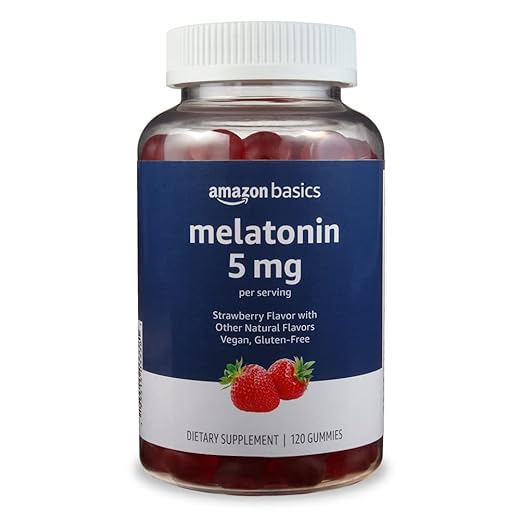
When you shortchange sleep, hunger hormones shift: ghrelin (hunger) tends to rise and leptin (satiety) falls, making you reach for bigger portions and sweeter, higher-calorie foods. Lack of sleep also impairs the prefrontal cortex — the part of your brain that resists impulses — so willpower wears thin by late afternoon. Track sleep with a simple device if you like (Fitbit Charge 5 or Oura Ring) to spot patterns and make realistic fixes.
Stress, cortisol, and stalled progress
Chronic stress keeps cortisol elevated. That’s useful short-term, but long-term cortisol promotes appetite, central fat storage, and insulin resistance — the three things that slow fat loss even with a calorie deficit. You don’t need long meditation sessions; you need consistent micro-tools.
Simple, actionable steps you can use today
Use these small, repeatable habits as experiments: change one thing for two weeks, measure sleep and cravings, then iterate. These invisible levers often unlock the last stubborn kilos.
Behavioral Tools: Habits, Tracking, and Environment Design
Design habits that stick
Sustainable weight loss comes from systems, not willpower. Use habit stacking and implementation intentions: attach a new small habit to an existing one (“After I pour my morning coffee, I’ll add a scoop of protein”), and make “if–then” plans for weak moments (“If I feel the urge to snack at 3 p.m., then I’ll walk for 5 minutes or eat a handful of almonds”). Start tiny — 2 minutes beats none — and scale up.

Reduce friction, increase success
Make healthy choices the easy default:
Track without obsession
Pick 1–2 metrics that inform behavior (weekly weigh-in, progress photo, or waist measurement). Use simple tools: Withings Body+ for a reliable weekly trend, or a plain notebook. Track trends, not daily noise. If an app like MyFitnessPal helps you learn portions, use it for a month, then step back to maintain flexibility.
Build accountability and supportive cues
Share goals publicly or pair up with a “habit buddy.” Make social plans that fit your routine (bring a healthy dish to gatherings). Use reminders — calendar alerts or a sticky note on the fridge — to sustain momentum.
Next up: when the scale stalls or motivation dips, you’ll need troubleshooting tactics that keep you moving toward long-term consistency.
Troubleshooting Plateaus and Staying Consistent Long-Term
Why plateaus happen
Plateaus are normal. Common causes include metabolic adaptation (your body burns fewer calories), a drop in non-exercise activity (NEAT), measurement error, or gradual loosening of adherence. Think of it like driving uphill: you may be pedaling just as hard, but the slope changed.
Step-by-step troubleshooting
Work through this checklist over 2–4 weeks, one change at a time so you know what works.

When to escalate
If 6–8 weeks of consistent tweaks yields no progress, consult a registered dietitian or your clinician to check meds, thyroid, or other factors.
Maintenance playbook
Transition gradually: increase intake by 50–100 kcal/week until weight stabilizes. Keep core habits: regular protein, strength sessions, weekly weigh-ins, and the environmental cues that worked. Treat maintenance as active management — it’s about steady behaviors, not “fixing” a number.
With these troubleshooting tools and a clear maintenance path, you’ll be set to move from short-term loss to lifelong stability.
Your Next Moves: Small Steps, Big Gains
You’ve got a compact, evidence-based playbook. Pick one or two changes from each section and commit to them for a few weeks; track how you feel and what the data show, then iterate. Small, consistent actions beat sporadic extremes. Focus on habits that fit your life—simple nutrition shifts, targeted exercise, better sleep, stress tools, and environment tweaks—and let gradual progress compound.
If you want extra help, consult a qualified coach or clinician to personalize the plan and troubleshoot plateaus. Be patient, celebrate steady wins, and treat setbacks as data, not failure. Keep one system running; with consistency you’ll build a sustainable approach that lasts. Start today — small steps compound into meaningful, lasting change.


Not to be the wet blanket, but calorie tracking and metrics can be mentally exhausting for some. The article nods to mindset, which I liked, but maybe include more on when to step away from numbers and focus on habits/feelings.
Still, there were solid tips here — especially the micro-adjustment approach for plateaus.
I switched between tracking and intuitive phases. Tracking for learning, then leaning into habits once I knew portion sizes. Works better for my mental health.
Excellent point, Liam. We try to balance data with mental health. A future draft could definitely expand on non-numeric cues (energy, clothing fit, mood) as valid progress markers.
Fun read. I laughed at the ‘without starvation’ line — true 😂
Quick practical thing: the Amazon Basics digital kitchen scale is a lifesaver for meal prep. I used to eyeball rice and then couldn’t figure out why things stalled. Weighing everything made tracking accurate and less guesswork.
Glad you liked that line! And yes—the scale removes a lot of the guesswork. Congrats on dialing it in.
Yep. Also helps reduce food waste when you portion correctly. My pantry has never been happier.
Thanks for the practical tone. Two things that stuck with me:
1) Sleep and stress are huge — journaling one short stress list before bed improved my sleep in a week.
2) The troubleshooting section helped me tweak macros without panicking.
Tiny critique: would love a printable quick-start checklist for beginners (like 7 items you MUST do first week).
I made my own checklist based on the article and taped it to the fridge. Surprisingly motivating.
If you want a head start: set one intake goal, one movement goal, and one sleep goal for the week. Simple and effective.
Awesome suggestions, Sophia. A printable quick-start is a good idea — we’ll consider adding a downloadable checklist soon.
Yes please to the checklist. Even a one-page starter would help reduce decision fatigue.
Short and sweet — the behavioral tools section changed the way I set goals. Switched to an undated weekly goals planner and it’s so freeing to not feel like I ‘failed’ because of a date.
Also low-key love the Fit Simplify bands for home workouts. Cheap and actually effective.
That planner is one of our favorites for sustainability. Removing the pressure of dates often improves consistency more than strict calendars.
Same here! The bands make bodyweight workouts feel more challenging. Pro tip: label the bands for resistance levels so you don’t have to test each time 😂
I appreciated the section on preserving muscle while losing fat. As a 38-year-old who lifts, the strength-first approach (plus protein like Optimum Nutrition Gold Standard post-workout) actually kept me feeling strong.
Also — the 13-Week Bodyweight Home Workout Journal Planner is a cool idea for people who don’t want a gym membership. Keeps accountability without overcomplicating things.
Full-body 3x/week for me — easier to recover and I see steady strength gains without endless gym time.
Curious — what kind of lifting splits are you doing? Full-body 3x/week or upper/lower?
Thanks Priya — preserving muscle is so important, especially as we age. The whey protein suggestion fits well with that approach.
Seconding the planner! I used the 13-week journal and logging progress visually kept me motivated.
I wanted more on habit stacking — the article touched on it but I crave step-by-step examples for morning and evening routines.
Like: wake up, drink water, 10-min mobility, log breakfast, etc. Anyone have sample stacks that worked for them? Also, tiny rant: habit trackers are great but if you make them perfect or nothing it backfires. Be kind to yourself.
I use the undated weekly goals planner to track my stacks. Seeing the streak visually helps more than I thought.
My morning stack: alarm → 1 cup water → 5-minute stretch → protein smoothie. Took weeks to stick, but small wins add up.
Great feedback, Hannah. We’ll consider adding concrete habit-stacking examples in a follow-up. For now: start with 2–3 tiny anchor habits and attach new behaviors to them. Sound simple, but it works.