

Start Small, Eat Smart
You don’t need to change everything—start with small, practical steps you’ll enjoy. This guide gives six easy actions to make your meals more sustainable, affordable, and delicious so you can build lasting habits and feel proud of your food choices.
What You Need

Know Your Why: Define What 'Sustainable' Means to You
Why should you care? Because ‘sustainable’ can mean healthier, cheaper, or kinder—pick your priority and stick to it.Clarify your personal goals. Decide whether you want to reduce food miles, cut meat, avoid waste, save money, or improve health—then pick one priority to focus on first.
Write down one clear goal and one measurable target. Choose a simple, time-bound target you can track. For example: “Two meat-free dinners each week” — mark them on your calendar and celebrate when you hit four in two weeks. Start by clarifying your personal goals. Do you want to reduce food miles, cut meat consumption, avoid waste, save money, or improve health? Write down one clear goal and one measurable target (for example: two meat-free dinners per week or zero food thrown away). Defining your why makes choices easier and the habit more likely to stick.

Shop Smarter: Build a Simple, Seasonal Pantry
Shopping like a local tastes better and shocks your grocery bill—in a good way.Switch to a short, reusable shopping list focused on seasonal produce, whole grains, legumes, and frozen veggies. Buy apples in fall, berries in summer, and local greens in spring to lower environmental impact and save money.
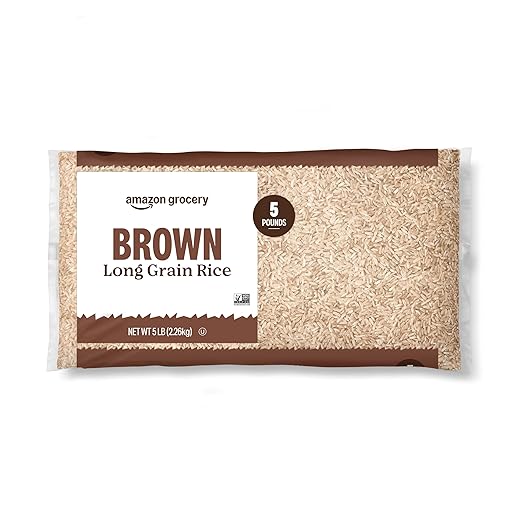
Keep these staples on hand so you cook from what you own rather than buying convenience foods:
Plan one weekly meal from staples—e.g., toss frozen veg and beans into a grain bowl. Bring a printed list to the store and stick to it to avoid impulse buys.
Cook Once, Eat Twice: Simple Batch-Cooking Tricks
Make one pot, feed yourself twice—because leftovers are lazy genius.Plan two-to-three base recipes each week that scale easily: a grain bowl, a hearty soup, a pasta, or a curry. Cook larger batches and portion them for the week.
Cook big pots of lentil soup or curry, roast a tray of vegetables, and prepare a grain like quinoa or rice — these become your meal building blocks.
Repurpose leftovers: turn soup into a stew by adding potatoes and greens, stuff roasted veggies into wraps, or mix grains with beans and fresh salsa for a new bowl.
Use airtight containers and simple labels with dates. Freeze extra portions in meal-sized containers and rotate older meals to the front so nothing gets wasted.

Shift the Plate: Make Plant-Forward Swaps
You don’t have to go vegan—just make plants your default and watch the benefits stack up.Start small: replace one animal meal per week with a plant-based version—try Meatless Mondays to build the habit.
Swap ingredients: replace half the meat in recipes with mushrooms, lentils, or beans. For example, replace half the ground beef in chili with cooked lentils and keep the same spices for texture and flavor.
Experiment with proteins: try tempeh, smoked tofu, or chickpea flour fritters to find textures you like.
Use flavor boosters: add spices like smoked paprika, cumin, soy sauce, miso, or nutritional yeast to make plant dishes satisfying.
Track changes: note what you enjoy and repeat your favorite swaps next week.

Waste Less, Save More: Smart Storage and Composting
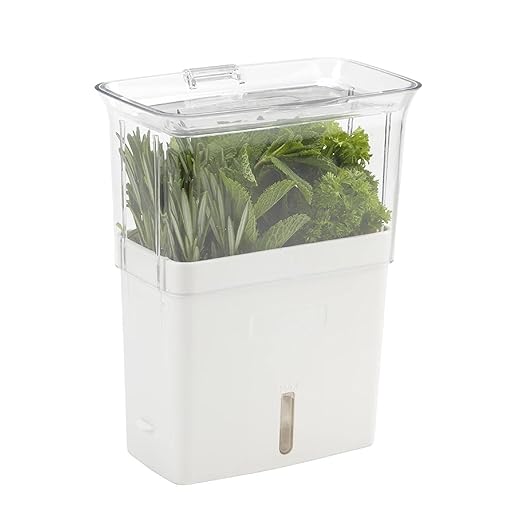
Your trash bin is a money pit—here’s how to stop feeding it.Keep herbs fresh: trim stems, place in a jar with an inch of water, cover loosely, and change the water every few days.
Store mushrooms in a paper bag; wrap greens in a damp towel and keep tomatoes at room temperature.
Freeze extras in portioned bags—cooked rice, stock, or fruit—and label with dates so you can grab meals fast.
Plan a weekly “use-it-up” meal (stir-fry, soup, or frittata) to clear odds and ends—try one pot with leftover veg, beans, and spices.
Start a small kitchen compost bin or find a community drop-off; keep a lidded container on the counter and empty it weekly.
Quick wins:
Learn basic storage techniques (e.g., keep herbs fresh in water, store mushrooms in paper, freeze extras) to extend shelf life. Use a weekly ‘use-it-up’ meal to consume odds and ends. Start a small compost bin for peels and scraps or find a community compost drop-off. Reducing food waste cuts emissions and stretches your food budget.
Make It Stick: Track, Adjust, and Celebrate Wins
Small habits, big results—measure progress and reward yourself to keep going.Use a simple tracker or app to note weekly wins. Log specifics like “3 meat-free dinners,” “1 bag composted,” or “$12 saved on lunches” so you see progress.
Review monthly: list what worked and what didn’t. Tweak one thing at a time—swap one meat meal for beans, or prep one extra lunch—rather than overhauling everything.
Celebrate milestones with a non-food reward: buy a quality reusable bottle, treat yourself to a new tote, or schedule a bike tune-up after a month of wins.
Share progress for motivation: text a friend, post a photo, or join a local sustainability group for recipes and tips.
Use a simple tracker or app to note weekly wins (meat-free meals, less waste, money saved). Review monthly: what worked, what didn’t, and tweak one thing at a time—don’t throw out the whole plan. Celebrate milestones with a non-food reward or a favorite sustainable product. Social support helps, so share successes with friends or join a local group for inspiration.

One Step at a Time
You don’t need perfection—consistent small choices build a sustainable diet. Pick one step, practice it until it’s routine, then add another. Over time these habits benefit your health, wallet, and the planet. Which one will you start today, right now?


Love the “Start Small, Eat Smart” idea — feels way less overwhelming than ‘go vegan overnight’.
I tried the ‘cook once, eat twice’ week and it saved me so much time.
Also, tracking wins (step 6) really helped my motivation.
Tiny note: seasonal pantry tips were gold. 🌱
Would love more examples of simple swaps for dinners!
Thanks Maya — glad that approach resonated! For dinner swaps, try swapping half the meat for lentils in tacos or adding beans to bolognese. Simple and filling.
If you want more swap ideas, I keep a sticky note on the fridge with 5 go-to plant-forward swaps. Super helpful when you’re tired.
Yesss lentils in bolognese!! I did that last month and my partner didn’t even notice 😂
Good read. The seasonal pantry bit was practical, although seasonal shopping isn’t always doable for me (city life, small grocery). Still picked up some storage tips that I can use.
Frozen is a lifesaver — cheaper and less waste. Also, batch-cooking with frozen portions works great.
Totally get that — urban grocery options vary. For cities, try farmer’s markets when possible or frozen seasonal veggies (they’re often harvested at peak).
Huge fan of the ‘Cook Once, Eat Twice’ section. Here’s my routine — maybe useful to others:
1) Roast a tray of root veg + tofu.
2) Make a grain batch (rice/quinoa).
3) Portion into bowls with a dressing on the side.
4) Eat variations through the week.
This saved me so much time and reduced my takeout by like 80%.
PS: investing in good containers is worth it.
80% less takeout? Teach me your ways 😂
This is basically my Sunday ritual now. Quick dressing: olive oil + lemon + dijon + honey. Versatile and bright.
I add a little tahini to that dressing for creaminess — game changer.
Love this routine — super practical. Agreed on containers (glass with tight lids are great). Any go-to dressings you recommend?
Pro tip: freeze individual portions and only thaw what you’ll eat in 2-3 days to avoid waste.
Helpful guide. I appreciated the ‘Waste Less, Save More’ section — started composting in a tiny bin on my balcony. FYI: if you live in an apartment, check if your building has a green bin pickup. Saved me the smell and the trips to compost sites.
Would love to know more about bokashi — never tried it but curious.
Nice tip, James. Small-space composting can be surprisingly easy with bokashi or worm bins — both are apartment-friendly if done right.
Bokashi is anaerobic fermentation — you need a sealed bucket and the bran mix. No stink if you follow directions. Good for pantry scraps.