

Give Your Brain a Break: Why a Digital Detox Matters
You probably know screens fill your day, but do you notice how scattered, tired, or irritable you feel afterward? A digital detox is an intentional, temporary reduction in device use. Stepping back from continuous connectivity can improve how you think, sleep, relate to others, and get things done.
Below you’ll find a quick roadmap of seven benefits you’ll actually notice, plus simple, practical tips to try a detox without making it overwhelming. Small steps — like scheduled phone-free hours or notification limits — are all you need to start feeling the change.


Sharper Focus and Less Mental Clutter
Why your attention fragments
Every ping, news feed refresh, or tab switch pulls a tiny piece of your attention away. Research shows it can take about 23 minutes to fully refocus after an interruption, so frequent interruptions add up into a fog of unfinished thoughts. Imagine trying to write an email, check three messages, and skim a news alert — by the time you’re “back,” the original idea is gone.
What to expect in the first days
At first you might feel antsy: shorter attention spans, a strong urge to check your phone, or boredom. That’s normal. After a few days of consistent device limits, you’ll notice deeper concentration pockets and fewer mental leftovers between tasks — like finishing a paragraph without stray tabs stealing your train of thought.
Practical ways to rebuild focus
How to measure progress
Stick with it through the shaky first days — your brain’s capacity for deep, clutter-free thinking will grow, and that calm attention will also help you unwind at night.
Better Sleep and a Calmer Bedtime Routine
How screens disrupt your night
Evening screen time does more than keep you awake — blue light from phones and tablets suppresses melatonin, shifting your circadian rhythm so sleep comes later and feels lighter. Add the cognitive arousal of scrolling or doom‑scrolling, and you’re primed to lie awake replaying feeds rather than drifting off. In real life that looks like checking “just one more” post at 11:30 p.m. and not falling asleep until after midnight.
Easy bedtime swaps and setup
Small changes give big returns. Aim to power down screens 30–60 minutes before bed and dim overhead lights to warm tones (around 2700K). Move devices to another room or at least out of arm’s reach so the temptation to peek is gone. Replace scrolling with low‑stimulation activities like reading a paperback, 10 minutes of gentle stretching, or a guided breathing exercise.
Try a few practical tools: a dimmable bedside lamp or Philips Hue warm bulb for soft light; Swanwick or Gunnar blue‑light blocking glasses if you must use screens; and a white‑noise machine or app to mask disruptive sounds.
What you’ll notice (days to weeks)
Within a few nights you’ll likely fall asleep faster and wake less. Over one to two weeks sleep feels deeper and mornings more refreshed — and that clearer nights feed into lower daytime tension and improved focus, which we’ll explore next.
Reduced Stress and Less Anxiety
Why constant connection keeps you tense
When your phone buzzes every few minutes, your nervous system treats each alert as a small emergency — that knot-in-the-stomach tightness you feel isn’t imaginary. Fewer alerts means fewer urgency cues, and that gives your body permission to downshift from “on call” to “normal.” Many people report almost immediate relief: breathing becomes easier, shoulders drop, and the impulse to react to every ping fades.
Quick practices to lower tension during a detox
Try these simple, practical moves you can do today to reduce background anxiety:
Reintroducing screens more mindfully
When you bring devices back, do it with rules: set app timers (Screen Time, Digital Wellbeing, or apps like Freedom), keep push alerts off by default, and test one habit at a time. For example, restore email notifications but leave social feeds muted for two weeks — you’ll notice what actually matters.
Expect immediate calm and, with repeated practice over a few weeks, steadier emotional regulation that makes it easier to focus and remember things — the kind of clarity we’ll dig into next.
Improved Memory and Clearer Thinking
Why screens can sap recall
When you rely on instant searches and constant tabs, your brain skips the deeper encoding that turns experiences into memories. Rapid task-switching trains you to flit between cues rather than hold and organize information in working memory, so facts feel fleeting and you reach for a quick lookup instead of remembering.
How a detox strengthens retention
Fewer interruptions give your hippocampus and prefrontal cortex the uninterrupted time they need to consolidate information. Practicing deliberately offline—slower, focused study—builds stronger retrieval pathways so you can actually pull facts to mind instead of re-searching them.
Easy, practical exercises you can do today
Signals you’re improving
Try these for a week and notice the difference—clearer thinking primes your brain for the next perk: enhanced creativity and fresh ideas.
Enhanced Creativity and Fresh Ideas
Why downtime fuels ideas
When you stop reacting to pings, your mind starts connecting dots it couldn’t see before. Research on mind‑wandering shows that gentle, unstructured thought helps form novel associations — that “aha” moment often arrives when you’re not trying to force it. Picture an engineer who cracked a stubborn bug while on a silent walk: the solution came after stepping away, not from another tab.
How to build creative downtime
Make space for undistracted thinking with small, repeatable habits:

Prime your space for breakthroughs
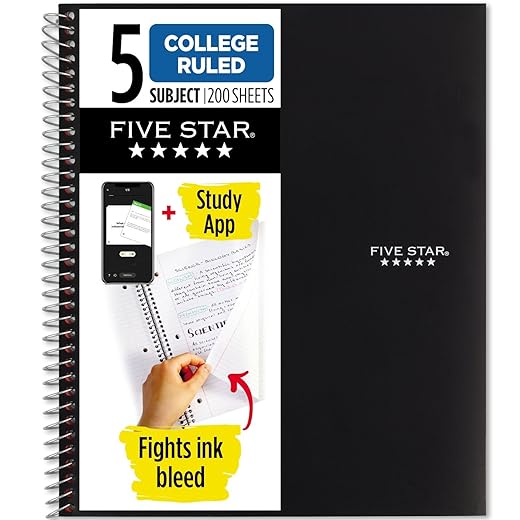
Reduce background noise (or use low-volume instrumental music), keep a few tactile tools visible (pens, a cheap whiteboard, sticky notes), and always carry a small notebook (Field Notes, Moleskine Classic, or the 6×8 spiral above). A tidy, low‑stimulus corner signals your brain it’s okay to wander.
How you’ll know it’s working
Look for concrete signals: you invent a simpler approach to a recurring problem, make richer, more vivid analogies in conversation, or suddenly see a new angle after stepping away. Those small, frequent insights are the creative payoffs of giving your brain space.
Deeper Relationships and Being More Present
Why presence changes everything
When you stop splitting attention between a person and a screen, conversations deepen fast. Even the sight of a phone on the table lowers conversational quality and empathy, so giving undivided attention signals care. Think of the quick shift when a partner notices you actually listening—voices soften, shoulders drop, and the story keeps going.
Practical habits to build presence
Small, repeatable moves create big relational payoffs:

Handling social expectations and emergencies
Be proactive so boundaries don’t feel rude:
A quick example: try one week of device-free dinners. Couples and roommates often report longer, more engaged conversations and fewer small misunderstandings within days—proof that presence is a habit you can build and notice almost immediately.
More Free Time and Real Productivity Gains
Where the lost hours go
When you stop reflexively scrolling, you reclaim chunks of time you didn’t know you had—often 1–3 hours a day for many people. Imagine turning ten 10‑minute phone breaks into a focused 100‑minute block: that’s one solid workout, a chapter of a book, or a chunk of creative work.
Turn reclaimed minutes into routines
Use concrete systems so that free time becomes progress, not more noise.
Plan small wins
Break projects into 15–45 minute tasks so you actually finish things. Example: instead of “work on report,” schedule “draft intro (30 min)” and check it off. That visible progress fuels momentum.
Avoid swapping distractions
Replace passive scrolling with intentional choices. If you use a tablet to read, use Kindle app with airplane mode; if you replace one app with another, use blockers like Freedom or a physical cue—leave your phone in another room.
Busyness vs. productivity
Being busy isn’t the same as getting important things done. Real productivity looks like finished projects, regular exercise, or evenings with friends—not an endlessly packed to‑do list.
Try one small change this week and notice what you finish; that momentum leads into the final steps of starting small and sticking with it.
Start Small and Notice the Difference
You don’t need a dramatic purge to feel better—small, consistent steps add up quickly. Pick one manageable change today: a phone-free morning, no screens an hour before bed, or a short weekend mini-detox. Track how you feel after a few days and notice sharper focus, calmer sleep, and lower stress.
Let those early wins motivate you to iterate. The seven benefits—better focus, sleep, memory, creativity, relationships, lower anxiety and real productivity—are quick reminders why boundaries matter each single day. Start small, be consistent, and make more space for what truly matters in your life.



Anyone else find creativity spikes after a day of low screens? I went for a walk and sketched ideas into my spiral journal — came back with three new concepts for a side project. Paper + walk = magic.
Yes — the article points to exactly that. Unstructured time and analog tools often spark fresh connections.
Sketching outside is my go-to. Also silence or soft ambient sound (white noise machine) helps me stay in a flow state.
Digital detox, huh? So I have to basically ghost my phone and become a medieval monk? 😂
Jokes aside, I tried one evening with no socials and actually had a decent conversation with my roommate. TableTopics cards came in clutch for the awkward moments.
No medieval vows required, Alex — just intentional breaks. Nice one about TableTopics though, they can be great icebreakers for deeper chats.
Haha same. TableTopics turned a ‘what’s for dinner’ convo into a 30-min memory-sharing session. Highly recommend for date nights too.
This piece reminded me why I put my phone face-down at dinner.
Being present changed small things: I remember details about my partner’s day, we’re less distracted at meals, and those conversations actually stick. It’s not dramatic, just… nicer.
PS: TableTopics and a hardcover lined journal (6×8) make great bedside combo for pre-bed reflection.
Beautifully put, Olivia. The ‘nicer’ small moments are often the most meaningful outcomes of being present.
Agree. We started a no-phones-at-table rule and fights dropped by half. Not a miracle fix, but it sets a tone.
I like the creativity section — unplugging gave me space to doodle and brainstorm again.
I tried the “Let That Sh*t Go” guided journal after reading this and it’s surprisingly freeing. Some pages hit hard, others are just silly prompts that work.
Constructive note: the article could’ve included a brief daily micro-routine (5–10 mins) to get people started. Otherwise great!
Totally agree on the micro-routine idea. For me it’s: 2-min breathing, 3-min free-write in the 6×8 hardcover, then 5-min tech-free walk. Feels doable.
Thanks, Priya — that’s useful feedback. We’ll consider adding a sample 5–10 minute daily routine in a follow-up. Glad the journal helped your creative flow.
That sounds realistic. Sometimes articles give big strategies that feel impossible — micro-steps are the way.
Appreciate the suggestions. We’ll draft a short micro-routine section for readers who want a low-barrier start.
I appreciated the ‘Start Small’ advice. For me that meant:
– Day 1: phone-free breakfast
– Day 3: 20-min morning journal (Five Star for quick lists)
– Week 1: one 2-hour evening without screens
After two weeks I noticed better sleep and fewer random anxious spikes. The article’s structure made it feel doable, not like some extreme lifestyle shift.
Love the gradual steps. It matches what I recommended earlier — micro-routines are sustainable.
Curious: did you use the guided journal or just list-making in the Five Star? Trying to mix both.
Thanks for the step-by-step breakdown, Daniel — that’s exactly the kind of actionable path that helps readers adopt habits.
Mostly list-making for quick wins, Zoe. The guided journal I reserved for deeper evenings when I had more time.
Not gonna lie, sleep section was the most helpful. I tried the Magicteam white noise machine but felt weird at first — like something was ‘missing’ — then I added a short journaling session (Let That Sh*t Go) and it made bedtime feel intentional instead of chaotic.
Still working on consistency though, any tips?
Combining an auditory cue (white noise) with a short ritual (journaling) is a great pairing. For consistency: tie the ritual to an existing habit (brush teeth -> journal 3 mins -> white noise on). Habit stacking helps.
Set a non-negotiable ‘wind-down’ alarm 30 mins before bed. Treat it like a meeting with yourself.
I wasn’t sure about switching to analog notes, but using the Five Star 5-Subject spiral for work took off some things in my head. Fewer tabs open in my brain, lol.
Article helped me legit try it for a week and I felt more organized.
Love hearing that, Hannah. Physical note-taking often helps externalize mental clutter — glad it worked for you.
Same here. I color-code sections and my brain actually relaxes seeing a completed page. Paper wins sometimes.
Color-coding is a game changer. Also: sticky tabs.
A bit skeptical at first — ‘more free time’ sounded like marketing speak.
Tried it anyway: turned off notifications for a weekend and used the ANC headphones for focus. The result? Less checking my phone, more reading. Honestly felt less anxious.
Would recommend testing a weekend beforehand to see how it sticks.
Good tip, Lila. I scheduled a board game night — no phones allowed — and it was actually fun.
That’s a great test approach, Marcus. Short experiments over a weekend make it easier to evaluate without committing long-term.
Board game nights are perfect for presence. TableTopics could make it even better.
Same test worked for me. Also: plan at least one social activity during the detox so you don’t feel isolated.
Appreciate the practical weekend experiment example — real-world tips like that help others try it safely.
Family tip: we keep a pack of TableTopics on the coffee table. When the kids are on screens, we’ll pick one card each and talk about it. It’s goofy but it gets real convos going and less scrolling. Bonus: it’s fun during road trips too.
Road trip version is brilliant. We did this last summer and it turned long drives into memory-making time.
Kids love the ‘silly question’ ones. Great way to teach conversation skills too.
That’s a wonderful practical use of TableTopics — makes presence accessible and fun for the whole family.
Loved this! The part about sharper focus sold me — I ordered Livho blue light glasses last week and actually noticed less eye strain during long work sessions. Also thinking of pairing them with ANC headphones for deep work sessions.
Has anyone tried the Hybrid Active Noise Cancelling Bluetooth over-ear headphones with the Livho glasses? Wondering if it’s overkill or a productivity dream.
I use both — totally not overkill. Glasses reduce eye fatigue and the headphones cut ambient chatter. My focus sessions went from 25 to 50+ minutes. 🙂
Great to hear you noticed a change so quickly, Maya! That combo (blue light glasses + ANC headphones) is a popular one for blocking distractions and reducing cognitive load during focused work.
Agreed. Pro tip: take short breaks every 60–90 mins so the brain doesn’t get ‘tunnel vision’. The article’s suggestion to start small really helped me build it up.
Okay, full confession: I bought the Magicteam white noise machine because my partner snores and I couldn’t focus or sleep.
It actually helped SO much. Night 1 I slept 6 hours straight (rare for me), night 2 felt clearer-headed in the morning, and I’m finding I procrastinate less when I set a 45-min focus block with the timer.
Big takeaway — small tools can shift routines. Not a miracle, but consistent wins.
Thanks for sharing, Ethan. That’s exactly what ‘Start Small and Notice the Difference’ is about — incremental changes compound. Glad the white noise machine helped!
Yesss, white noise saved my nights too. I pair it with a short journaling ritual in the Five Star notebook to offload thoughts before bed.