

Quick answer: Can coffee help you burn fat?
You probably know coffee wakes you up — but can it actually help you lose weight? Short answer: yes, but only a little. Caffeine and other coffee compounds boost metabolism, reduce appetite for some people, and can improve workout performance. That can translate into small, measurable fat loss over time.
Coffee is NOT a magic bullet. If you drink it with lots of sugar, cream, or rely on it instead of good habits, benefits disappear. This article gives a clear, data-backed overview of the mechanisms, the typical size of effects, who benefits most, safety issues, and practical tips so you can use coffee sensibly in a weight-loss plan. Let’s dig into the evidence.


How coffee affects your body: the science of caffeine and related compounds
Caffeine: the primary engine
When you drink coffee, caffeine crosses into your brain and blocks adenosine receptors. You feel more alert, but you also trigger a cascade: the sympathetic nervous system ramps up, adrenaline (epinephrine) rises, and your heart and breathing increase. That state raises short-term energy expenditure — called thermogenesis — and primes fat cells to release fatty acids into the blood (lipolysis). In practical terms, a strong cup before a workout can make you push harder and burn more calories in that session.
Fat mobilization vs. fat burning
Caffeine helps mobilize fatty acids from fat tissue, but mobilization doesn’t equal immediate fat loss. Your muscles must oxidize those free fatty acids for true fat loss to occur. If you sit on the couch after a latte, many of those mobilized fats will be re-esterified back into storage.
Other active coffee compounds
Coffee isn’t just caffeine. Chlorogenic acids (highest in lighter roasts and green coffee) can modestly affect glucose absorption and liver metabolism, which may influence fat storage over time. Small amounts of theobromine and theophylline also contribute to mild stimulation and bronchodilation. Antioxidants in coffee reduce inflammation, which indirectly helps metabolism when chronic inflammation is an issue.
Individual differences that matter
How much effect you get depends on you:
Real-world tips you can use now
Quick practical comparison
These mechanisms explain why coffee can be relevant to weight, but they also show limits: context (activity level, diet, and individual biology) determines whether mobilized fat actually becomes lost fat.
What the data show: real effects on fat loss and body weight
Randomized trials: small, short, mixed
When researchers give people caffeine, green-coffee extract, or caffeinated beverages in randomized trials, the clearest, most consistent finding is short-term: caffeine raises energy expenditure and can improve exercise performance. Trials that last weeks to months show inconsistent effects on weight or body fat. Some report modest weight loss; many show no meaningful change. Trials that do report benefits are often small (dozens, not hundreds of participants) and short (4–12 weeks).
Population studies: correlations, not proof
Large observational studies often find that habitual coffee drinkers have slightly lower body weight or smaller waist measurements. But those studies can’t prove coffee caused the difference. Coffee drinkers differ in diet, activity, smoking, sleep, and socioeconomics — all of which can confound the link. Observational data are useful for hypotheses, not for proving coffee is a weight-loss tool.
How big is the effect in real life?
Put plainly: the metabolic boost is real but modest.
Why study results vary
Several study features muddy the picture:
Quick, practical takeaway before we move on
If you want predictable, repeatable benefits, think of coffee as a short-term metabolic and performance booster rather than a guaranteed fat-loss drug. In the next section we’ll look at when coffee helps most — timing, type, and the individual differences that decide whether you personally get a useful edge.
When coffee helps most — timing, type, and individual differences
Not all coffee use is equal. If you want to tilt the modest effects of caffeine in your direction, focus on when you drink it, what form you use, and how your body responds.
Timing: morning and pre-workout windows
For a real edge, take caffeine 30–60 minutes before exercise — that’s when blood levels peak and you’ll get the biggest boost to performance and short-term calorie burn. A morning cup is also sensible: it supports daytime activity without interfering with sleep. Avoid caffeine within 6–8 hours of bedtime if you’re sensitive.
Type: brewed, espresso, decaf, and extracts
If you prefer a predictable dose, caffeine pills or measured products reduce variability. For example, the Nutricost 100mg Caffeine Capsules, 250 Count gives exact milligrams per dose, so you know what you’re taking.
Dose and tolerance: realistic ranges and cycling
For performance and short-term metabolic boost, aim for about 3–6 mg/kg bodyweight (e.g., a 70 kg person: 210–420 mg). For lighter metabolic effects, 100–200 mg can still help. Most healthy adults can tolerate up to ~400 mg/day; pregnant people should limit to ~200 mg/day and check with a clinician.
Tolerance builds fast. If you drink caffeine daily, thermogenic and performance benefits shrink. Try strategies like:
Individual differences: genes, sex, age, and habits
Genetics matter: CYP1A2 fast metabolizers clear caffeine quickly and often gain more performance benefit with fewer cardiovascular side effects; slow metabolizers may feel jittery and get less benefit. Women, older adults, and people on certain medications metabolize caffeine differently. Habitual intake blunts effects — a regular 3–4 cup/day drinker won’t get the same boost as an infrequent user.
Quick practical example: if you rarely drink caffeine, one 8–12 oz strong brewed cup 45 minutes before your workout can improve intensity and slightly raise calorie burn. If you’re a daily 3-cup drinker, save a higher dose for heavy training days and consider short breaks to restore sensitivity.
Pitfalls and safety: what to avoid and when coffee can backfire
Coffee can help, but it’s not risk-free. Below are the common mistakes that wipe out benefits or introduce harm, plus clear signs you’re overdoing it and practical limits to keep you safe.
Sugary drinks, creamers, and alcohol: the calorie traps
A 16‑oz flavored latte or a sweetened cold brew can pack 200–600 calories — enough to erase a workout deficit. Add whipped cream, syrup, or sweetened creamers (e.g., popular flavored creamers) and you’re drinking dessert, not a performance aid.
Alcoholic coffees (Irish coffee, espresso martinis) are especially problematic: alcohol adds calories, disrupts sleep, and increases appetite — all counterproductive for fat loss.
Caffeine excess: sleep, anxiety, and heart effects
Too much caffeine can sabotage weight loss indirectly by hurting sleep quality, raising anxiety, and increasing heart rate or blood pressure. Poor sleep lowers willpower, raises hunger hormones, and reduces workout performance.
Contraindications and medication interactions
Certain conditions and drugs change how caffeine affects you or increase risk.
How to be safe right now (quick checklist)
A little planning keeps coffee a tool, not a trap.
Practical plan: how to use coffee as part of a realistic weight-loss strategy
This actionable section turns the evidence into steps you can follow. Below is a compact, real-world plan you can try for a few weeks and adjust based on how you feel.
Sample daily routine (simple, flexible)
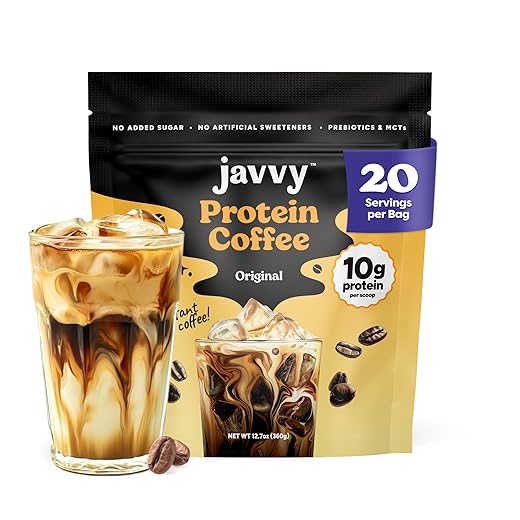
Example: if you train at 8 AM, have a 7:15 AM espresso (80 mg), train, then a post-workout protein coffee mixed with milk for recovery.
Low-calorie, satisfying coffee options
Make drinks that feel indulgent without the calories:
Track what matters
Track small signals for 2–4 weeks to see trends, not day-to-day noise:
Combine coffee with protein and exercise
Troubleshooting & safety cues
If you have chest pain, palpitations, pregnancy, or take interacting medications, pause changes and consult your clinician. Ready for the bottom-line wrap-up? Move on to the Conclusion.
Bottom line: use coffee wisely, but don’t expect miracles
In short, coffee can give you a small, real boost to fat burning, energy, and exercise performance, but the effects are modest and vary a lot between people. Treat caffeine as a tool — time your cups around activity, avoid excess sugar and cream, and don’t rely on coffee alone to create a calorie deficit.
Used correctly, coffee can support a sensible diet and consistent activity, making weight loss a bit easier and workouts more productive. If you have health issues, high anxiety, sleep problems, or medication concerns, talk with your clinician or a registered dietitian to tailor intake safely. Think of coffee as a helpful nudge, not a shortcut — for sure.


The ‘pitfalls and safety’ section was the most useful for me. I get palpitations sometimes and that section explained when coffee can backfire.
If you have a cardio condition or anxiety, talk to a doc before upping caffeine. Simple but easy to forget when you’re chasing ‘fat loss hacks.’
Spot on. The article’s safety section emphasizes medical advice for people with heart issues, pregnancy concerns, or anxiety disorders. Caffeine can exacerbate conditions.
Agreed. People treat caffeine like a harmless miracle; it’s not for everyone.
Quick question for the group: how do you handle caffeine tolerance? I took Nutricost caps for a month and now 100mg does barely anything. Should I cycle off? The article touched on tolerance but curious about practical approaches.
Yep — a 10–14 day taper off works for me. After that, lower doses feel potent again.
Or alternate days: caffeinate only on workout days to preserve some sensitivity. Not perfect, but helps.
Cycling is a common approach: take a break for 1–2 weeks every few months to resensitize receptors. Reduce intake gradually to avoid withdrawal headaches. The article mentions tolerance and cycling as practical tactics.
I liked the ‘bottom line’ — coffee helps a bit but isn’t magic. I lost ~5 lbs over 3 months while using coffee strategically, but mostly from calorie control and workouts.
Data-backed articles like this are nice because they set realistic expectations.
Exactly — small metabolic boosts can add up but won’t replace consistent diet/exercise. Thanks for sharing your real-world result.
Same here. Coffee helped with energy for workouts, which helped me stick to a plan. Not the only factor, but definitely supportive.
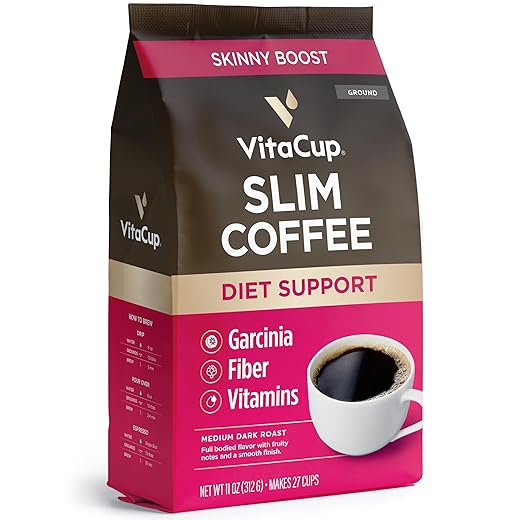
Curious — were you drinking straight black coffee or a product like VitaCup Slim? Trying to compare notes.
I took too many caffeine tabs once and thought I was turning into the Flash ⚡️. Learned to measure better.
Also: haha, coffee doesn’t magically make me skinny but it definately helps me NOT eat that terrible office donut. Small wins. 😂
Thanks for the candid share! That ties into the article’s point: reduced appetite and increased activity can be where coffee contributes, but watch dosing to avoid adverse effects.
Pro tip: stay hydrated. Caffeine can mask fatigue but dehydrates a bit; drinking water helps with the jitter-feel.
Office donut avoidance is the real benefit, lol. Keep the coffee; skip the glaze.
Totally — caffeine + willpower = donut-deflection program initiated.
I had the Flash moment too. Now I stick to 100mg caps (Nutricost) if I need precise dosing. Works fine for me.