

Why Grit Matters for You
Grit is more than stubbornness; it’s a set of skills you can build. You’ll learn how steady persistence, emotional control, and smart habits help you push through hard days without burning out.
This article shows five simple ways to grow your grit. Start small with daily micro-challenges to build consistency. Design routines and rituals that anchor your toughness. Reframe failure and adopt a growth mindset that turns setbacks into fuel. Train your emotions with practical stress-management skills. Measure progress, iterate, and create a supportive environment that keeps you moving forward.
You don’t need dramatic gestures. Small, repeatable actions add up. Read on to pick a few doable habits and practice them until they become part of your everyday life.
By the end you’ll have concrete steps to try tomorrow, simple rituals to repeat, and ways to track small wins that build lasting resilience and momentum.



Start Small: Build Consistency Through Daily Micro-Challenges
Micro-challenges are tiny, repeatable tasks designed to nudge you out of comfort without hijacking your day. The point is consistency: a small, slightly uncomfortable habit practiced daily will raise your tolerance for difficulty faster than an occasional heroic push. Think five minutes of focused practice, a single cold shower minute, or one tough conversation you initiate—every day.
Pick one tiny, precise challenge
Choose something measurable and specific. Vague aims (“get better at writing”) fail; specific ones win (“write 250 words, five days a week”). Real-world examples:
One study on habit formation found an average of 66 days to automaticity—so a 30- or 90-day focus gives you a clear target and a chance to see change.
Use habit-stacking and reduce friction
Attach the micro-challenge to a reliable existing habit (habit-stacking). If you always make coffee, do your 5-minute writing while it brews. Reduce friction by making the start impossible to avoid:
Tools that help: a simple kitchen timer (OXO Good Grips), the Forest focus app for concentrated sessions, or a paper habit tracker if you prefer tactile tracking.
Progressively overload—small, steady increases
Increase the discomfort in tiny steps so confidence grows with you. Practical plans:
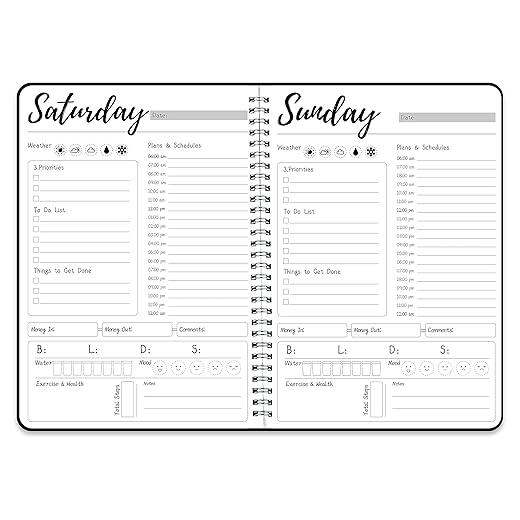
Track streaks visibly (calendar, HabitBull, or the Undated Daily & Weekly Work Planner Notebook) and celebrate the first 7-, 30-, and 90-day wins. Small wins stack into bigger tolerance; consistency is the muscle you’re training, and these micro-challenges are the reps.
Design Routines and Rituals That Anchor Your Toughness
Predictable routines turn hard choices into automatic moves. When you automate the small stuff — how you start the day, how you warm up before a tough task — you preserve willpower for the real test. Below are concrete ways to build those anchors so discipline becomes the path of least resistance.
Structure a morning or pre-performance routine
Think of routines as a four-step loop: cue → prime → practice → anchor. Example morning loop (12–20 minutes):
A musician friend uses the exact same 7-step scale and 5-minute meditative cue before concerts; the predictability makes the nerves manageable.
Use implementation intentions (if-then plans)
If-then scripts remove ambiguity. Keep them simple and situational:
These tiny contracts with yourself increase follow-through because your brain no longer negotiates a response — it executes one.
Time-block key activities and pre-commit
Block uninterrupted time for high-value tasks (90-minute blocks, or Pomodoro cycles). Tools that help: Google Calendar with “Do Not Disturb” status, TimeFlip2 desk timer for tactile feedback, or a simple mechanical kitchen timer.
Pre-commitment examples:
Fuel your resilience: sleep, movement, nutrition
Small biology tweaks create outsized gains. Aim for consistent sleep (7–9 hours), brief morning movement (5–10 minutes), and protein at breakfast — each supports sustained attention and lowers impulse vulnerability.
Quick daily routine template you can copy
These rhythms make grit habitual rather than heroic. Next, you’ll learn how to interpret setbacks within this scaffold so frustration becomes fuel rather than derailment.
Reframe Failure and Cultivate a Growth Mindset
You’ve built routines that make effort predictable. Now learn to treat setbacks as data, not final judgments. Small cognitive shifts change how you interpret difficulty, so you stay engaged longer and learn faster.
See setbacks as experiments
When something goes wrong, label it: “That trial failed” instead of “I failed.” Think like a scientist — an experiment has a hypothesis, a method, and data. Ask: what changed, what did I control, what did I learn? This turns shame into curiosity and keeps you moving.
Ask better post-mortem questions
Swap verdict questions for investigative ones. Use these prompts after any setback:
These questions reveal actionable changes instead of vague self-blame.
Scripts and journaling prompts you can use today
Simple self-talk and brief journaling steer your brain toward growth. Try this reframing script when disappointment hits: “This outcome shows which part of my plan needs work. I’ll try one change and collect new data.” Pair it with a 5-minute journal entry:
If you prefer digital capture, Day One or Notion are great for searchable logs; if tactile works better, a Moleskine or a guided journal (like the one above for kids or a Five Minute Journal for adults) helps form the habit.
Frame goals around practice, not just outcomes
Convert an outcome goal (“ship the product”) into a practice goal (“complete two user-test sessions per week”). Practice goals emphasize controllable effort and make progress visible even when results lag.
Tap into purpose to deepen persistence
Linking tasks to a bigger “why” makes setbacks meaningful. Remind yourself how this skill serves a larger value: creativity, helping others, financial freedom. Purpose doesn’t remove pain, but it changes what pain signals — from stop signs to growth markers.
These cognitive tools prepare you to handle the emotional spikes that follow failure. In the next section, you’ll learn practical stress-management skills that help you apply these reframes in the moment.
Train Your Emotions: Practical Stress-Management Skills
You’ve learned to reframe setbacks. Now practice the moment-to-moment tools that keep you steady when pressure arrives. Below are short, usable techniques — each with a tiny daily practice so you can build emotional control like a muscle.
Breathwork: simple, portable calm
Breathing changes your nervous system fast.
Daily practice:
Apps like Breathwrk (free) or a simple phone timer are enough to get started.
Short mindfulness bites
You don’t need 30 minutes to land—try micro-practices.
Daily practice:

Progressive exposure: rehearse small stressors
Train tolerance by stepping up discomfort slowly.
Daily practice:
Pause and choose: cognitive distancing
Create a gap between feeling and action.
Daily practice:
Quick grounding techniques you can use anywhere
These reset your system in seconds.
Daily practice:
These micro-skills help you stay calm during minor stress so you’re ready when bigger moments come. In the next section you’ll learn how to measure these small wins and iterate so the improvements stick.
Measure Progress, Iterate, and Build a Supportive Environment
You’ve practiced the skills; now make them durable by tracking what actually changes and shaping the world around you so good habits win. Measurement isn’t about perfection — it’s about honest signals that tell you what’s working and what to tweak.
Set clear, measurable milestones
Pick 2–3 simple metrics that reflect real growth. Useful types of signals:
Make goals concrete and timebound: “Do breathwork 5x weekly for 4 weeks” beats vague intentions.

Celebrate micro-wins to sustain momentum
Small rewards keep motivation alive. Mark streaks, add a star sticker, or write one-sentence progress notes. Real-world example: a software engineer I coached tracked short daily wins (code review sent, 10-minute focus block) and reported a 40% increase in weekly productive hours after two months — momentum came from visible micro-wins, not willpower.
Use accountability wisely
Pair up or form a triad with these simple rituals:
A brief template for your weekly check-in:
Shape your environment: remove friction, add cues
Design your space so the first step is obvious and easy. Examples:
Learn from data and iterate
Review every 2–4 weeks. Ask:
Practical tools: Google Sheets habit grid, Streaks or Habitica apps for gamified tracking, and a simple weekly planner to record one-line reflections. Use the data like an experiment: small changes, short test windows, repeat.
With these measurement and environment strategies in place, you’ll be ready to lock in gains and prepare your next small step toward greater grit. Next, take one small step today.
Take One Small Step Today
Pick one micro-habit from the article—start with a single daily micro-challenge, a brief routine, a reframing exercise, a short breathing practice, or a quick reflection—then commit to a short experiment: three to fourteen days. Track your attempt with a simple tick-box or a one-sentence journal entry, and use the reflection prompts to note what changed, what was hard, and what you learned. Small, consistent efforts build momentum.
Grit grows incrementally and kindly; you don’t need dramatic overhaul to become tougher. By choosing one tiny habit and giving it focused, short-term attention, you let compound change begin. Try it now: set a start date, make the habit easy to do, and check in daily. After your experiment, review results, adjust, and repeat. Your mental toughness will rise—one small step at a time. Celebrate progress, no matter how small — you’re building a stronger self each day now.




Not gonna lie, I skimmed most sections but the ‘Take One Small Step Today’ hit me. Tried setting a 3-minute timer for focused work and actually finished something. Who knew?
Also, serious question: does anyone use both the Undated Daily & Weekly Work Planner Notebook and the A5 Weekly Planner? Seems redundant lol 😂
I used both for a month — daily for meetings, A5 for habits. Ended up dropping the daily and consolidating into the A5. Less clutter.
Some people use the daily planner for day-to-day tasks and the A5 weekly for habit overview — different layers of planning. If that feels redundant, try using one for two weeks and see which format you naturally keep up with.
Loved the “Start Small” section — feels doable. I actually started doing the micro-challenges (5 push-ups + 2 minutes of journaling) and it made mornings less chaotic.
The Morning Sidekick Journal recommendation was spot on: having a guided prompt makes me stick with it. I’m also trying the Undated Daily & Weekly Work Planner Notebook to map tiny wins.
One tip: pair the micro-challenge with a ritual (coffee + 2 min stretch) so it becomes automatic. 🙂
Do you use the undated planner daily or just weekly? I’m debating between that and the A5 weekly with habit tracker.
So glad that helped, Olivia — love the coffee + stretch ritual! Small environmental cues really anchor routines. Keep us posted on how the planner integration goes.
Nice—5 push-ups is basically a warmup for me 😂 but the ritual idea is golden. Makes the habit feel less like a chore.
I appreciated the ‘Measure Progress’ section. For anyone tracking habits, the Undated A5 Weekly Planner with Habit Tracker is a compact winsheet — fits in my bag and keeps weekend reflections short.
Minor gripe: the article could’ve shown an example of a 4-week iteration cycle. Still good though.
Would love that sample too. A template for reflection prompts would save me trial-and-error.
Good call, James. I’ll add a sample 4-week cycle graphic to the article soon — thanks for the suggestion.