

Why the Right Nike Training Shoe Matters
Choosing the right Nike training shoe changes your comfort, performance, and injury risk. This guide helps you find shoes that fit your feet, suit your workouts, and support your goals so you train smarter, feel better, and stay motivated, confidently.
What You'll Need

Identify Your Primary Workouts
Cardio, lifting, cross-training — which one dominates your week?List the workouts you do most: steady-state runs, sprint intervals, heavy lifting, HIIT, CrossFit, court sessions, or casual gym circuits. Be specific—write them down.
Prioritize the one or two activities that occupy most of your training time. Choose the dominant activity first; it dictates the shoe qualities you’ll need.
Decide which activity you do most and circle it. Use that as your primary filter when comparing Nike models and features.

Know Your Foot Type and Fit
Are you high-arched, flat-footed, or the Goldilocks 'neutral' type?Measure your feet (length and width) and check your arch type and pronation. Use a ruler or a Brannock-style tracing; note if your arch is high, neutral, or flat and whether you overpronate or supinate.
Try shoes later in the day when feet are slightly swollen. Wear the same socks you train in and test with the orthotics you actually use.
Ensure these fit points when trying shoes:
Bring your orthotics and insist on no pain or rubbing.

Match Shoe Features to Workout Needs
Cushioning, stability, and flexibility — pick the features that actually help your reps.Match cushioning to the activity: prefer React for everyday bounce, and Zoom Air or Air for responsive running with strong energy return.
Choose a firmer midsole for lifting to create a stable, low‑profile base; choose softer, more responsive midsoles for running to absorb impact.
Look for a low heel‑to‑toe drop (0–4mm) for heavy lifts and stability, and a moderate drop (6–10mm) for mixed training or running.
Prioritize outsole grip and durable rubber for HIIT and lateral work, and prioritize lightweight, flexible soles for longer runs.
Balance weight versus protection: pick lighter shoes for short, intense sessions and more protective cushioning for longer distances.
Understand Nike Model Lines and Technologies
From Metcon to Pegasus — what's the real difference?Learn Nike’s core lines and technologies so you can quickly rule out shoes that look good but won’t suit your training. Focus on the tradeoffs: cushioning vs. stability, responsiveness vs. durability, and flexibility vs. lockdown.
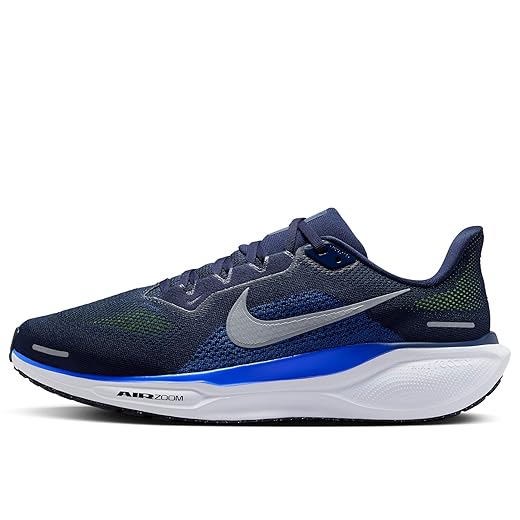
Pick Metcon for heavy squats, Pegasus or Zoom for running, and Free for mobility drills; avoid flexible Frees for heavy lifting.
Try, Test, and Evaluate in Real Conditions
Don't just walk—simulate your workout. Can your shoe handle your worst set?Simulate gym movements in-store or at home: short runs, lunges, jump squats, box steps, lateral shuffles, and a set of heavy lifts if you can (e.g., 3–5 heavy deadlift reps). Move like you would in a real workout.
Test the shoe for 10–15 minutes at varying intensity; push a few high-effort bursts to see how they respond. Check these key fit and performance points:
Use return policies if they fail these tests, and notice how they feel after a few minutes at intensity.
Balance Budget, Style, and Longevity
Want Instagram-worthy kicks or shoes that survive a year of brutal training?Decide how much you’ll invest: premium Nike tech costs more but often lasts and performs better; entry models work if you plan to replace them regularly. Choose based on use and priorities.
Keep these actions in mind:
Try a cheaper pair for casual circuits, but invest in premium trainers for heavy lifting or high-impact sessions.
Ready to Choose Your Pair
Use your workout list, foot fit, feature priorities, and hands-on testing to narrow choices. Prioritize function over looks, try before you commit, and you’ll find a Nike training shoe that helps you train harder and safer. Try it, share results.

Thanks for the guide! A tiny rant: stores that only have one size of the demo shoe are the worst. How am I supposed to test fit like that?? 😤
Also, shoutout to stores that actually let you do a quick jog — those are the MVPs.
Would love more tips on in-store testing and what drills to do quickly.
And always test with your training socks — tiny differences can change the fit dramatically.
If they refuse, order both sizes online (if return policy is good) and test at home. Not ideal but sometimes necessary.
Totally agree — limited demo sizes are frustrating. For in-store drills: walk, do a few quick lunges, jump in place, lateral shuffles, and a short jog if possible. Also try the heel-to-toe roll to check forefoot flexibility.
I just ask them to fetch another size. Sometimes they will. Worst they can say is no.
Been lifting and running for years — this guide is solid. One extra tip: take photos of the sole wear pattern after a few months. It helps you see pronation/supination that you might ignore otherwise. Also — yes, break-in time varies!
Yup — midsoles are sneaky. They die on you quietly.
Also note that midsoles compress over time; even if the outsole looks okay, the midsole might be shot. Rotate shoes if possible.
Great practical tip. Photos or simply checking wear visually can inform whether you need different support or to replace shoes sooner.
I started doing that and it showed I was underpronating. Helped me switch to a better model.
Budget section was helpful. I’m cheap 😆 but I want durable shoes that don’t fall apart after 3 months of thrashy gym use. Any tips to get the best lifespan without breaking the bank?
Second-hand or outlet buys can be great. Just inspect the midsole for compression signs. If it’s mostly unworn, you got a steal.
Rotate shoes if you train frequently, let them dry between uses, and avoid using your best trainers for heavy outdoor runs. Buying last season’s model or discounted colors can save a ton without compromising tech.
Also keep receipts for warranty/return — sometimes manufacturing defects show up and you can get replacements.
Minor nitpick: the article could use a quick troubleshooting list — like “if toe rubs, try X; if heel slips, try Y.” Still super useful overall. Thanks!
Also try different laces — flat vs round can change fit feel slightly.
Heel lock lacing saved me once. Sounds nerdy but it actually works.