

Whey to go—or plant the seed? Which scoop actually powers your PRs (and tastes like something you’d actually drink)?
Protein is power. One good scoop can turn a sore, tired session into faster recovery and better gains. Keep it simple and smart—no mystery ingredients required.
You’ll find 8 tested powders here: fast-absorbing whey, clean grass-fed isolates, budget-friendly classics, and two solid plant options. Read the quick picks to know which to grab after your next workout, blender session, or mid-afternoon slump.
Top Protein Picks


Gold Standard 100% Whey, Double Rich Chocolate
You get a well-balanced whey blend that mixes easily and tastes approachable for daily use. It’s an all-purpose option that supports recovery, comes in many flavors, and fits most training goals.
Overview
If you want a dependable, everyday whey that you can use before or after workouts and mix into recipes, this widely known formula is built for that. You’ll find a blend of whey isolates, concentrates, and peptides that gives solid protein per scoop while keeping taste and mixability front of mind.
Key features and what they mean for you
You can use it with water, milk, or in smoothies and oats; the instantized texture helps prevent clumps when you don’t have a blender on hand. Because it’s one of the best-selling powders, you’ll also find it in many flavor runs and sizes, which makes trying different tastes inexpensive.
Practical benefits and limitations
You’ll appreciate the flexibility: it’s good for muscle maintenance, post-training recovery, or just topping up daily protein. Be mindful that some flavors contain different sweeteners and a few users report variation between flavors — if you’re sensitive to aftertaste, try a small size or sample first. If you need a completely isolate-only formula or a carb-free option, there are purer alternatives available.
Whey+ Grass-Fed Whey Isolate, French Vanilla
You’ll appreciate the transparent label and grass-fed whey isolate that’s free from fillers, artificial dyes, and junk. It’s a good fit if you want a cleaner ingredient list and third-party testing for peace of mind.
Clean protein with strong testing standards
If ingredient transparency and sourcing matter to you, this grass-fed whey isolate emphasizes hormone-free milk, minimal additives, and third-party lab testing. It’s framed as a premium everyday protein for people who want a clean label without proprietary blends.
Key specifications
You’ll find it mixes easily and is designed to avoid the bloating that some whey concentrates can cause, particularly if you’re lactose sensitive. Because the product is sweetened with natural non-artificial options, you may notice a distinct stevia-like finish — some like it, some prefer a less sweet option.
Use cases and tradeoffs
This is a strong pick if you value ingredient quality and lab verification; it’s particularly suited to people who train regularly but want to avoid unnecessary additives. If you’re on a strict budget or dislike stevia, you may prefer a different base or flavor option.
ISO100 Hydrolyzed Whey Isolate, Gourmet Chocolate
You get a hydrolyzed whey isolate made to digest and absorb quickly for immediate recovery. It’s low in carbs and sugars, which makes it ideal when you want a lean, efficient protein hit.
What this powder is for
If you prioritize fast-digesting protein to kick-start recovery after intense sessions, this hydrolyzed whey isolate focuses on speed and purity. It removes much of the lactose, carbs, and fat, giving you a concentrated protein source in a scoop.
Core attributes
That means you can take it immediately post-workout without worrying about extra carbs or lactose-related discomfort. It’s also very versatile in recipes — blends well into shakes, pancakes, or oatmeal when you want that protein boost without altering macros noticeably.
How to use it and what to expect
You’ll notice it mixes cleanly and rarely clumps, which makes it easy to use on the go. If you’re dialed into flavor, try a small tub or a popular flavor first — a few variants run quite sweet. Overall, it’s a solid pick if performance and purity are priorities.
Isopure Zero Carb Whey Isolate, Creamy Vanilla
You’ll get a pure whey isolate option designed for low-carb and keto lifestyles, delivering clean protein with minimal extras. It’s versatile for shakes and recipes and includes vitamins to support daily intake.
A zero-carb isolate for focused macros
If your priority is a high-protein, no-carb shake for ketogenic or calorie-controlled plans, this isolate gives you concentrated protein without the carbs or sugar that can derail strict macros. The added vitamin and mineral blend is an extra convenience for daily nutrition.
Standout specs
You can use it first thing in the morning, right after training, or any time you need a lean protein source that won’t bump carbohydrate totals. It’s particularly useful when you blend it into green smoothies or use it as a protein booster in low-carb recipes.
How to get the best results
Mix vigorously or use a blender to avoid occasional grittiness; the brand has addressed texture updates in some reformulations. If you follow keto or PSMF protocols, this will be one of the simplest powders to fit into your plan. If you prefer a very indulgent flavor, note this leans more functional than dessert-like.
Nitro-Tech Whey + Creatine, Milk Chocolate
You get a two-in-one scoop that pairs whey protein with added creatine for strength-oriented goals. It’s convenient if you want creatine built into your post-workout shake rather than taking a separate supplement.
Who this is best for
If your goal is to prioritize strength gains and you already use creatine, this formula saves time by combining a high-protein whey with clinically studied creatine monohydrate. It’s aimed at people who want both muscle-building and performance in one daily shake.
Notable features
Because creatine is included, you don’t have to mix separate supplements post-training — handy for travel or busy days. The tradeoff is you lose control over precise creatine dosing if you prefer tailoring that amount to a loading or maintenance protocol.
Practical tips and limitations
If you already supplement creatine separately, watch your total daily intake to avoid unintentionally exceeding your target. The powder is flavor-forward and generally mixes well, but it’s not the best choice if you want the absolute cleanest isolate or if you require ingredient minimalism.
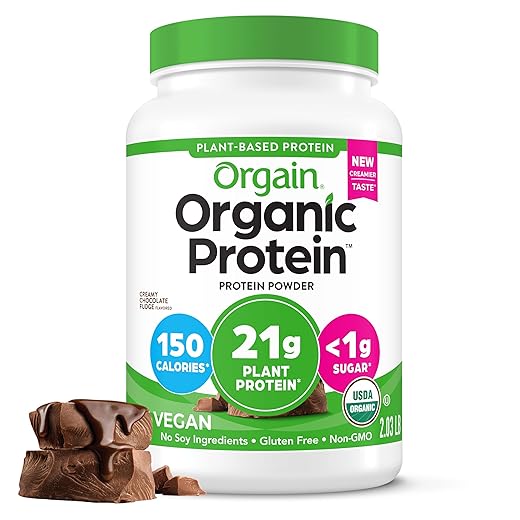
Orgain Organic Vegan Protein, Creamy Chocolate Fudge
You get an organic, USDA-certified plant blend that focuses on taste and clean ingredients. It’s a great pick if you want a vegan powder that’s kind to digestion and still enjoyable to drink.
Who should consider this powder
If you follow a vegan diet or have dairy intolerance but still want a tasty protein shake, this organic plant blend aims to deliver both flavor and an ethical ingredient set. You’ll find a combination of peas, brown rice, and chia to cover essential amino acids.
Core benefits
This powder is one of the more enjoyable-tasting plant proteins out there, which helps with adherence when you’re using shakes regularly. Use it in smoothies, baking, or simply mixed with your favorite milk alternative; a blender will yield the creamiest result.
Limitations and tips
If you’re aiming for the highest possible protein-per-calorie or the least filler, animal proteins or isolates typically offer a higher ratio. Also, plant powders can be more texture-sensitive — a quick blend or thicker liquid helps you avoid any graininess. For kids or family use, it’s a gentle, clean option that’s easy to include.
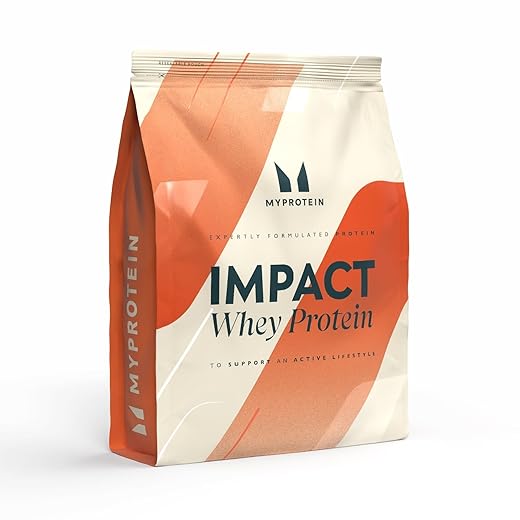
Impact Whey Protein Powder, Chocolate Milkshake
You’ll get a solid protein-per-dollar option that covers basic recovery and everyday protein needs. It’s flavorful and versatile, though it may clump more than premium isolates without a blender.
Value-focused whey for regular training
When you want to maximize protein without stretching your budget, this blend gives a dependable 22 g of whey concentrate per serving and a flavor-first approach. It’s built for everyday use, whether as a post-workout shake or a protein-rich snack.
Highlights
Because this is a concentrate-based product, you’ll get a solid macro hit for your money but may notice more texture or clumping unless you use a blender. It’s great for mixing into pancakes, overnight oats, or blended smoothies where texture is less of a concern.
Practical advice and cautions
If you’re sensitive to fillers or want the absolute smoothest mix, consider an isolate; otherwise, this powder performs well for day-to-day protein needs. Note that a few users have reported mismatches between listed serving counts and bag labeling on some retailer listings — double-check packaging if serving count matters to you.
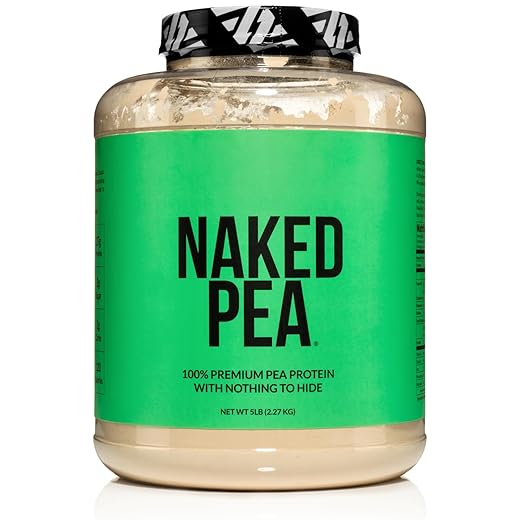
NAKED Pea 100% Pea Protein, Unflavored 5 lb
You’ll get a single-ingredient pea protein isolate with no flavors, sweeteners, or additives — ideal if you want to control taste and add protein to recipes. Expect an earthy, pea-like flavor that blends into smoothies and cooking.
What sets it apart
If ingredient simplicity is your priority — no sweeteners, flavors, or fillers — this unflavored pea protein delivers exactly that. You’re paying for pure pea isolate sourced from North American farms and minimal processing.
Key points
Because it’s unflavored, you can tailor the taste by adding fruits, cocoa, spices, or milk alternatives; it’s especially useful in smoothies, soups, and baking where other ingredients mask the pea profile. People with dairy allergies or those looking for a single-ingredient supplement will like the transparency.
Practical guidance and drawbacks
Expect an earthy or pea-like flavor if you mix it only with water; masking with berries, banana, or flavored milk alternatives usually improves palatability. Also, some users report chalkiness unless you use a blender or pair it with more flavorful ingredients. If you prefer convenience and a dessert-like shake straight from the shaker, a flavored plant blend might be a better fit.
Final Thoughts
Best overall whey: Gold Standard 100% Whey — Double Rich Chocolate
Best plant pick: Orgain Organic Vegan Protein — Creamy Chocolate Fudge
Quick alternatives: if you need the fastest post-workout absorption, choose ISO100 Hydrolyzed Whey Isolate; if you want a no-frills, single-ingredient plant option for recipes, pick NAKED Pea.


Value check: Myprotein vs Optimum vs NAKED Pea — which gives you the most bang for your buck if you’re trying to hit daily protein without breaking the bank? I rotate sometimes but want to optimize cost per gram of protein. Also, do bulk buys on Amazon really save that much after shipping? I’m debating a 5 lb Optimum vs 5 lb Myprotein.
Honest answers please — I’m cheap and proud of it. 😏
If you’re truly cost-focused, track the price history (CamelCamelCamel or Keepa) to buy during dips. Also check for coupon codes and Amazon bundles.
Generally, Myprotein tends to be the best price per gram, especially during sales. Optimum is higher quality and often priced a bit more but frequently discounted. NAKED Pea is great per serving for plant protein, but because it’s specialized and single-ingredient, it can be pricier than standard whey per gram. Check per-gram protein cost on Amazon (some listings show it) and factor in Prime shipping or subscribe & save discounts.
I buy Myprotein during Black Friday and it’s unbeatable. For steady quality, Optimum is my backup. NAKED is more of a specialty buy for when I need clean plant protein.
I’ve been using Optimum Nutrition Gold Standard for years (Double Rich Chocolate) and it’s honestly just so reliable. Mixes well with water and milk, not overly sweet, and my recovery feels consistent.
Quick question — anyone else who uses it without a shaker get weird clumps? I don’t always have a blender at work and stirring with a spoon sometimes leaves little lumps. 😅
Would love tips on best mixing methods that don’t involve lugging a blender around.
Try adding the powder to the liquid, not the other way around, then shake vigorously. If you have a tall bottle and drop a couple of ice cubes in, they help break clumps when shaking. A small whisk or a handheld frother also works great.
You can also pre-mix the powder with a bit of milk to form a paste then add the rest of the liquid. Works surprisingly well. Or get one of those spring-ball shaker bottles for $10.
I do the ice cube trick + vigorous shaking. Also, if you’re okay with a tiny effort, let it sit 30 seconds after mixing and shake again — clumps usually dissolve.
Curious about using NAKED Pea in baking — thinking muffins and protein pancakes. It’s unflavored which is ideal for not adding sweeteners, but will it change the texture of baked goods much? Has anyone swapped pea protein 1:1 for whey in recipes?
Also, is the ‘earthy’ taste really that bad once cooked?
One more tip: add a tablespoon of apple cider vinegar to recipes with baking soda to help rise when using higher protein flours.
I do 25% swap in pancakes and they’re fine — a little denser but still fluffy. Cocoa + banana hides the pea flavor really well.
If you want lighter texture, mix pea protein with oat flour instead of all-purpose. Works great for muffins.
You can replace part of the flour with NAKED Pea (start with 1/4 to 1/3 of the flour weight) rather than 1:1. That helps keep structure and moisture. The earthy taste usually mellows when baked, especially with cocoa, spices, or vanilla.
MuscleTech with creatine built in — love the convenience, hate the marketing blurbs. 😂
Question: is there any downside to using a protein that already has creatine? Like, will the dosage be ‘right’ for long-term creatine cycling? Or am I better off taking separate creatine so I can control timing/dose?
Also, has anyone noticed water retention or bloating with the Nitro-Tech formula?
Sarcastic take: nothing says ‘I meal-prepped my gains’ like a protein tub that also moonlights as a creatine container. 😆 But seriously, measure it.
I think the convenience is the main selling point. If you’re budget-conscious, separate creatine is cheaper and more flexible.
Built-in creatine is convenient, but the per-serving creatine dose in blended products is often lower than a standalone creatine supplement’s effective dose (3–5 g/day). If you want precise dosing, a separate creatine monohydrate powder is better. As for water retention, some people report mild bloating initially — typically subsides after a week.
I used Nitro-Tech for a few months — felt strength gains, but I also took an extra creatine scoop to reach 5 g/day. No major bloat personally.
One more note: if you already take creatine separately for loading/maintenance, you may double up unintentionally — keep track of total daily creatine.
I switched to plant protein recently (Orgain and NAKED Pea are on my radar) because dairy messes up my digestion.
Orgain tastes a lot better in chocolate and blends nicely in smoothies (and has prebiotic fiber which helped my gut). NAKED Pea is unflavored and very clean — perfect for baking and adding to oatmeal, but it does have that earthy pea taste if you just mix with water.
Pros and cons:
– Orgain: tasty, smoother, but has more ingredients.
– NAKED Pea: minimal ingredients, huge serving count, but you need to mask the flavor.
Anyone tried mixing NAKED Pea into recipes? Tips for masking the earthy taste?
Great summary. For NAKED Pea, use strong flavors: cocoa + banana, peanut butter, or mix into yogurt with fruit. Spices like cinnamon or a little instant coffee can help too. Baking (pancakes, muffins) hides the flavor best.
I add a scoop of NAKED Pea to tomato-based savory sauces for extra protein (works surprisingly well). For sweet stuff, maple syrup + cocoa does the trick. No weird tummy issues for me.
Trying to decide between Dymatize ISO100 and LEGION Whey+. I like the idea of grass-fed whey from LEGION but the hydrolyzed ISO100 promises faster absorption which sounds perfect post-workout.
Also, does anyone with mild lactose intolerance have experience with either? LEGION says lactose free-ish, but ISO100 is basically a isolate so I assume it’s fine?
FYI, ISO100 tastes a bit sweeter (at least the Gourmet Chocolate). LEGION is more ‘plain’ but cleaner ingredients. I alternate depending on goals.
If you’re doing morning fasted cardio and then lifting, ISO100 helps me hit recovery faster. But LEGION feels better on my stomach during long workdays.
I have mild lactose intolerance and LEGION has been fine for me — no bloating. But everyone reacts differently. Try a single serving first to test.
Both are good picks. ISO100 (hydrolyzed isolate) digests very fast and is typically tolerated well by people with lactose sensitivity. LEGION Whey+ is a clean grass-fed isolate and also low in lactose. If you’re very sensitive, ISO100 is the safer bet; if ingredient transparency and grass-fed source matter more, go LEGION.