

Find Calm, Not Chaos
Crazy fact: stress can make your brain act like it’s short on sleep. You can stop work stress from stealing focus and joy. This six-step plan helps you spot triggers, calm your nervous system, set boundaries, and reclaim quiet control.
What You’ll Need

Pinpoint Your Personal Stress Triggers
Want faster relief? Find the one thing that sparks your stress—it's probably not what you think.Track your day for 2–3 workdays. Jot down every moment you felt tense: the time, the task, the people involved, and the physical sensations you noticed.
Write simple, concrete notes — for example: “10:15 AM, team meeting, felt tight chest and swallowed a lot, thought ‘I’m not prepared.’” Do this immediately or at the next break so details stay vivid. After two or three days, scan entries and look for patterns: meetings, email bursts, vague requests, or perfectionist thoughts.
When you name the trigger, you trade vague anxiety for a targeted response and stop reacting reflexively.

Use Fast, Proven Calming Techniques
Three minutes to better decisions: don't underestimate tiny rituals.Pause the moment stress rises and do one brief practice to reset your body and clear thinking. These techniques lower heart rate so you avoid impulsive emails or harsh reactions.
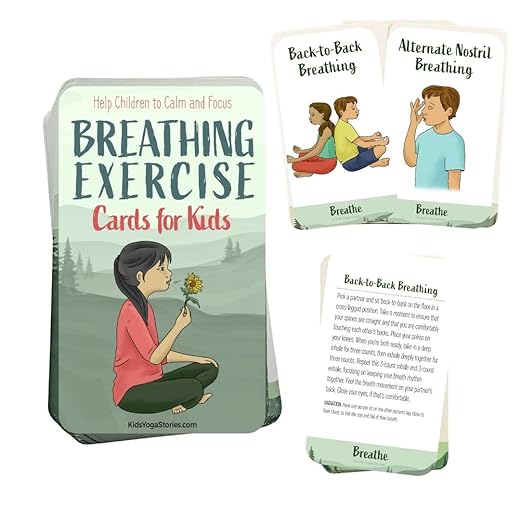
Try one of these:
Practice them at low-stress times so they become automatic. Keep a short list of go-to techniques in your notes and set a reminder to use them after stressful meetings.
Declutter Your Tasks: Prioritize Ruthlessly
Do less, do it better—why busyness is not the same as productivity.Apply a simple priority framework: Urgent + Important, Important but not urgent, Urgent but not important, Neither. Each morning pick 1–3 non-negotiable tasks that truly move the needle and block uninterrupted time to finish them. For example: complete the client proposal, prep tomorrow’s demo, or resolve a production bug.
When you reduce task-switching, stress drops and your energy stretches further.

Set Clear Boundaries and Communicate Them
Boundaries aren't selfish—they're the oxygen your work needs. Ready to try saying no with grace?Decide when you’ll be available and when you won’t. Block focus hours and “no-meeting” time on your calendar and treat them like appointments.
Communicate these limits to your team using calendar blocks, email auto-responses, and short scripts. Turn off nonessential notifications during focus time.
Offer alternatives rather than just rejecting requests. Practice assertive but polite language. Clear boundaries reduce unpredictable interruptions and help others understand how to support your best work.

Build Micro-Routines to Restore Energy
Small habits = big calm. Which tiny ritual will become yours?Create short, repeatable rituals that fit into your day and interrupt the stress loop. Anchor them to habits you already have so they stick—after your coffee, take three deep breaths; after a meeting, stand and stretch.
Try these compact rituals:
Track consistency, not perfection: aim for simple wins. Three small wins daily beat one big effort once a week.

Build Long-Term Resilience and Review Regularly
Want stress-proof stamina? Make adjustments before burnout knocks.Review your results after two weeks. Track what calmed you and what spiked stress. Write one clear note for each pattern and use it to guide changes.
Once you’ve used the steps above for two weeks, review outcomes: what reduced stress, what made things worse? Add a weekly 10-minute check-in to tweak priorities, boundary language, and calming practices. Invest in sleep, movement, and social support—these foundations strengthen resilience. If stress persists, consider coaching or talking to HR about role changes. The goal is steady, sustainable change, not quick fixes.

Start Small, Feel Big Results
Pick one step to try today. Small, consistent changes compound quickly—soon you’ll notice calmer mornings, clearer decisions, and more control over your work life, felt in wins every day and lasting for good. Ready to choose the first small change?




Solid list. ‘Prioritize Ruthlessly’ is the part I needed. I spend so much energy on low-impact tasks just because they’re ‘easy wins’.
One thing I do: every Friday I mark three things that absolutely must move forward next week — everything else is optional unless it’s urgent. Cuts a lot of noise. Curious if others do something similar?
Yep — I call mine ‘The Three Anchors’. Keeps me from chasing every tiny request. Also helps when my manager drops a ‘quick ask’ — I ask which anchor it impacts.
Priya — I love ‘The Three Anchors’. Going to steal that phrase 😂
Love that Friday ritual, James. Marking 3 things is a simple, effective constraint. The article’s ‘Start Small, Feel Big Results’ section was written with that exact idea in mind.
I tried the ‘prioritize ruthlessly’ step and accidentally prioritized my lunch time above an urgent delivery — oops. But in all seriousness, taking a firm stance on priorities helped me stop reacting to every ping.
Humorous aside: my calendar looks like a toddler’s sticker book now — color-coded chaos, but somehow calming.
Two quick Qs: how do you handle a manager who keeps adding ‘urgent’ tasks? And any quick retaliation tools against impromptu meetings? (By ‘retaliation’ I mean polite boundary-setting 😅)
I started using ‘If this is urgent, can we 1) do a 5-min handoff, or 2) put it on my urgent list and I’ll confirm timing?’ It forces clarity and reduces surprise asks.
For managers who label everything urgent, try a gentle prioritization email that asks which task should be deprioritized if this new one is top priority. For impromptu meetings, offer a short standing slot each day for quick syncs — gives control back to you.
Thanks — will try the ‘which should I deprioritize’ line. Sounds like it forces real choices rather than silent stress.