

Start Eating Sustainably — One Bite at a Time
You can cut your food footprint with tiny steps — even swapping one meal a week saves resources. Crazy fact: food systems create about 25% of global greenhouse gases. This plan gives six easy, money-saving changes you can actually stick to.
What You’ll Need

Start Small: Cut Meat Gradually
Think Monday swaps, not miracles — can you skip meat one day and feel the benefit?Begin by reducing meat a little at a time so the change sticks for you.
Try Meatless Mondays or swap one large portion for a plant-based alternative each week.
Save money and lower your diet’s carbon footprint without feeling deprived.
Experiment with flavorful vegetarian mains like chili with beans, lentil Bolognese, or hearty grain bowls.
Try these texture-rich swaps:
Track how often you skip meat to celebrate improvements and avoid all-or-nothing pressure.

Choose Seasonal and Local Foods
Why buy imported strawberries in winter? Local often tastes better — and costs the planet less.Choose produce that’s in season and grown near you. Seasonal fruits and vegetables need less energy to produce and transport, taste fresher, and usually cost less.
Visit a farmers’ market, join a CSA, or check grocery labels for region and season—ask staff “Where is this grown?” if labels aren’t clear. When you see a great local find (like peaches or zucchini), plan a simple meal around it—grill, roast, or toss into a salad.
Try these seasonal staples to plan meals:
Choose minimally processed items when local options aren’t available, and favor items with low transport/storage impacts (root vegetables, squashes, apples).
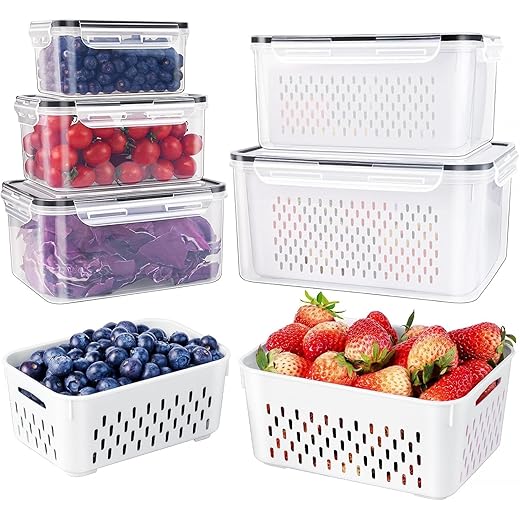
Plan, Batch-Cook, and Waste Less
Think of your refrigerator as a resource, not a landfill — meal planning is your secret superpower.Plan a simple weekly menu to reduce impulse buys and food waste. Create a shopping list and check your fridge before you go so you don’t buy duplicates.
Batch-cook staples: cook grains, beans, soups, and roasted veggies on one day. Store portions in airtight containers for lunches and dinners, and freeze extras in meal-sized packs.
Use leftovers creatively:
Compost unavoidable scraps if you can. For example, on Sundays cook a big pot of lentils—turn them into salads, wraps, and a quick curry across the week.

Make Smart Protein Swaps
Beans, lentils, and tofu: boring? Not when you season them right — flavor matters.Shift your protein sources toward plants most days. Legumes, pulses, nuts, and whole grains deliver protein plus fiber and nutrients with a smaller environmental footprint than most meats.
Learn to prepare beans and lentils so they’re tasty and satisfying: slow-simmer them, season boldly, or blend into hummus and spreads.
Try fortified plant milks and yogurt alternatives when you reduce dairy to keep calcium and B12 (check fortification).
Choose sustainably produced animal products when you eat them, and cut portion sizes—pick pasture-raised meat and MSC-certified fish.
Swap one meat dinner a week for a hearty bean stew to make the change simple and satisfying.

Cut Packaging and Shop Consciously
Small reusable swaps = big plastic reduction. Are your groceries invisible on the way home?Bring reusable bags, produce sacks, and jars to buy bulk staples. Fill mason jars or cloth bags with rice, beans, oats, nuts, and coffee at bulk bins—this reduces packaging and often saves money.
Read labels and choose items with minimal processing and recognizable ingredients. Prefer glass jars or cardboard cartons over single-use plastic when possible. Ask vendors to skip plastic wrap or double-bagging.
Support brands that disclose sourcing, use refill programs, or hold certifications (look for B Corp, Fair Trade, or clear origin statements). For online orders, bundle items into one delivery and choose slower shipping to cut emissions.
Try this at your next market: bring a jar, fill it with granola, and skip the plastic bag—small actions add up and send a clear signal to producers.

Measure Progress and Keep It Fun
Want proof your choices matter? Track small wins and celebrate — sustainability sticks when it’s rewarding.Set simple, trackable goals like “three plant-based dinners per week” or “zero food waste for one week.” Use an app or a notebook to log meals, savings, and waste reductions. Estimate impacts by counting swapped meals, avoided plastic bags, and money saved—write the numbers so the change is visible.
Celebrate milestones with a favorite sustainable treat (a farmer’s-market pastry or a zero-waste dinner). Join a community or swap recipes with friends to stay motivated. Be flexible — imperfect progress beats perfection. Over time, these positive habits become your new normal.

Sustainability That Fits Your Life
You can build a sustainable diet step by step; keep changes small, track progress, and enjoy better food with less waste as new habits settle in. Give it a try right now, share your results, and start making impact today.


Cutting meat gradually sounds reasonable, but come on — how many people actually stick to “Meatless Mondays” beyond week two? 😆
Love the idea on paper, curious about real-world tricks to keep it from feeling like a diet chore.
Great point, Tom. A couple of tricks that help: pick plant-based swaps that mimic the mouthfeel you like (mushrooms, tempeh), and plan favorite comfort recipes in vegetarian versions so you don’t feel deprived. Also celebrate small wins in the ‘measure progress’ step — it helps with motivation.
I failed Monday too, until I made a super-tasty chickpea curry that my boyfriend loved. Now it’s a repeat. Flavor = motivation!
I appreciate the ‘keep it fun’ angle. Tracking progress turned a boring habit change into a little game for me.
One thing — the guide mentions “shop consciously” but doesn’t say much about online grocery orders. Anyone tried reducing packaging while ordering groceries online?
Good call, Nora. For online orders, you can add notes asking for minimal packaging or request insulated bins. Some services let you choose produce in bulk rather than individually wrapped items. Also check local stores that offer click-and-collect so you can bring your own bags.
I switched to a delivery service that offers a ‘no plastic’ option — they pack everything in cardboard and paper. Might be worth searching for specialized services in your area.
Love the step-by-step approach — makes the whole “sustainable diet” thing feel doable.
I tried batch-cooking last week (step 3) and it saved me so much time.
Pro tip: roast a tray of seasonal veg + a big batch of lentils, and you’re set for lunches.
Also, small wins matter: swapped two meals a week for plant proteins and it didn’t feel dramatic.
Thanks for practical tips! 🥕💪
Totally stealing this recipe combo. Do you reheat the lentils directly or mix them into something? I always overcook mine 😅
I usually reheat and mix into a salad or fold into eggs for breakfast. Keeps texture better that way — also fewer soggy meals!
So glad that worked for you, Maya! If you liked roasting and lentils, you might also try batching a versatile sauce (tomato or peanut) and freezing portions — great for quick dinners.
Quick question: for “smart protein swaps” — any beginner-friendly ideas? I’m allergic to soy so tofu’s out. Looking for swaps that don’t require exotic ingredients.
If you want recipes, I can share a few quick dairy-based swaps that work as 20-minute meals. 👍
Peanut butter and other nut butters are great in sauces (e.g., peanut noodles) if you’re not allergic — super simple pantry staples.
Thanks, admin and Nina — I do eat dairy, so I’ll try Greek yogurt bowls for lunches. Peanut noodles sound doable too.
Totally — try lentils (red for soups, brown/green for salads), chickpeas (roasted for crunch, mashed for patties), eggs, cottage cheese/Greek yogurt if you eat dairy, and nuts/seeds for salads. Quinoa is another easy complete protein.
This guide hits a lot of important points. A few thoughts:
– Seasonal/local foods are amazing but sometimes pricier depending on where you live.
– Packaging: I switched to a reusable produce bag and it honestly reduced so much single-use plastic in my kitchen.
– Measuring progress? I actually use a simple checklist and stickers on the fridge lol 😅
One tiny critique: would love a printable shopping list or template for batch-cooking days.
On the pricing point: sometimes frozen seasonal veg is a cost-effective alternative and still lowers food miles compared to out-of-season imports.
About seasonal produce being pricier — check farmer’s markets late in the day. Many vendors mark things down then. Also, community-supported agriculture (CSA) boxes can be cheaper per pound.
Good tip Ethan! I’ll try going later. Also FYI: buying whole heads of cabbage and turning them into slaw/soup saved me $$.
Stickers on the fridge — love that 😂 Small rituals keep it fun. Also, reusable beeswax wrap is my favorite packaging swap.
Thanks, Olivia — great ideas. We’re working on a printable shopping list template to add to the article. In the meantime, simple spreadsheets or a phone note work well for batch-cook plans.